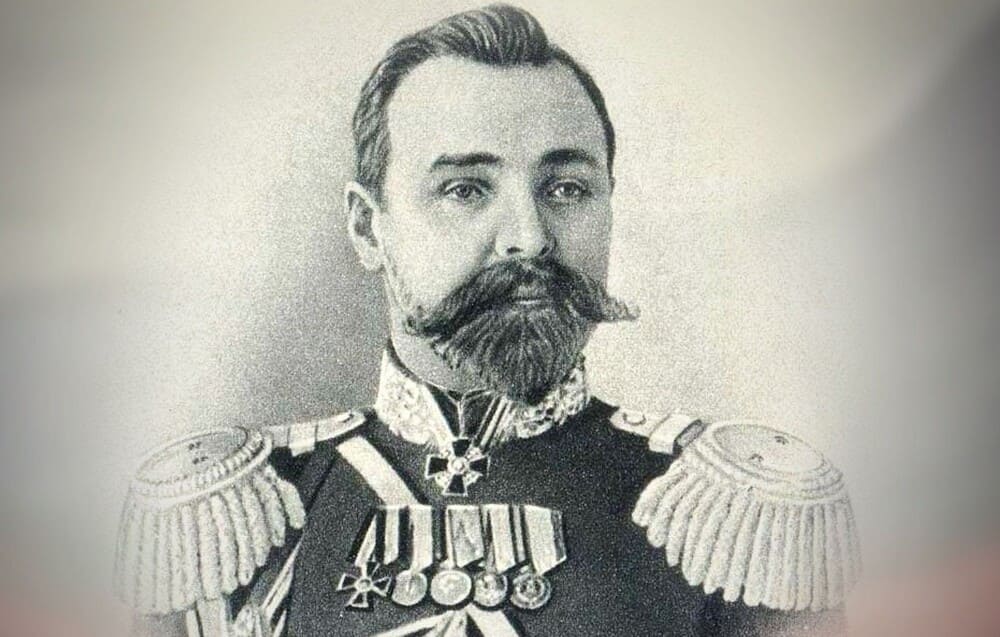
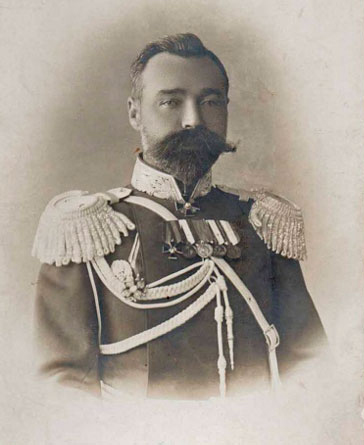
Elisei Isidorovich Kondratenko
(c. 1840 – 27 December 1906)
Elisei Isidorovich Kondratenko was a Ukrainian origin military topographer and early photographer who worked in the Caucasus during the second half of the nineteenth century. His photographic and scientific work contributed significantly to the visual documentation of landscapes, peoples, and settlements of the region.
Kondratenko belongs to the early generation of photographers who combined military surveying, ethnography, and photography, helping to record the cultural and geographical diversity of the Caucasus.
Early Life and Education
Kondratenko was born in Tiflis (modern-day Tbilisi), the eldest son of retired Major Isidor Denisovich Kondratenko.
After graduating from the Tiflis School of Caucasian Surveyors, he joined the land survey department in 1860 as a senior assistant surveyor. At the same time he taught mathematics at the same institution.
Soon afterwards he entered the Corps of Military Topographers, receiving the rank of praporshchik (ensign).
Early Photographic Work
In 1860, Kondratenko participated in topographic surveys in Chechnya, where he began photographing landscapes and terrain.
Later that year he was sent to St. Petersburg to study photography at the photographic department of the General Staff.
After approximately eighteen months he returned to Tiflis and continued his work with the military topographic corps.
In 1863 he was assigned to the newly established Photographic Department of the Caucasian Army Headquarters.
At the time a contemporary notice stated:
“The photographic establishment at the Headquarters of the Caucasian Army began its activity on January 8, 1863, producing views of various localities.”
— Kavkaz Newspaper, 1863
Collaboration with Pyotr Simonenko
During this period Kondratenko worked together with Pyotr Fedorovich Simonenko, an officer of the Caucasian Line Battalion and a talented photographer.
In the summer of 1863, the two photographers produced photographic views of Beliy Klyuch and Manglisi, locations near Tiflis.
Photographic Expeditions
In 1864, together with his brother Nikolai Kondratenko, also a military topographer, he photographed sections of the Georgian Military Road and the glaciers of Mount Kazbek. These works formed the basis of his first photographic album.
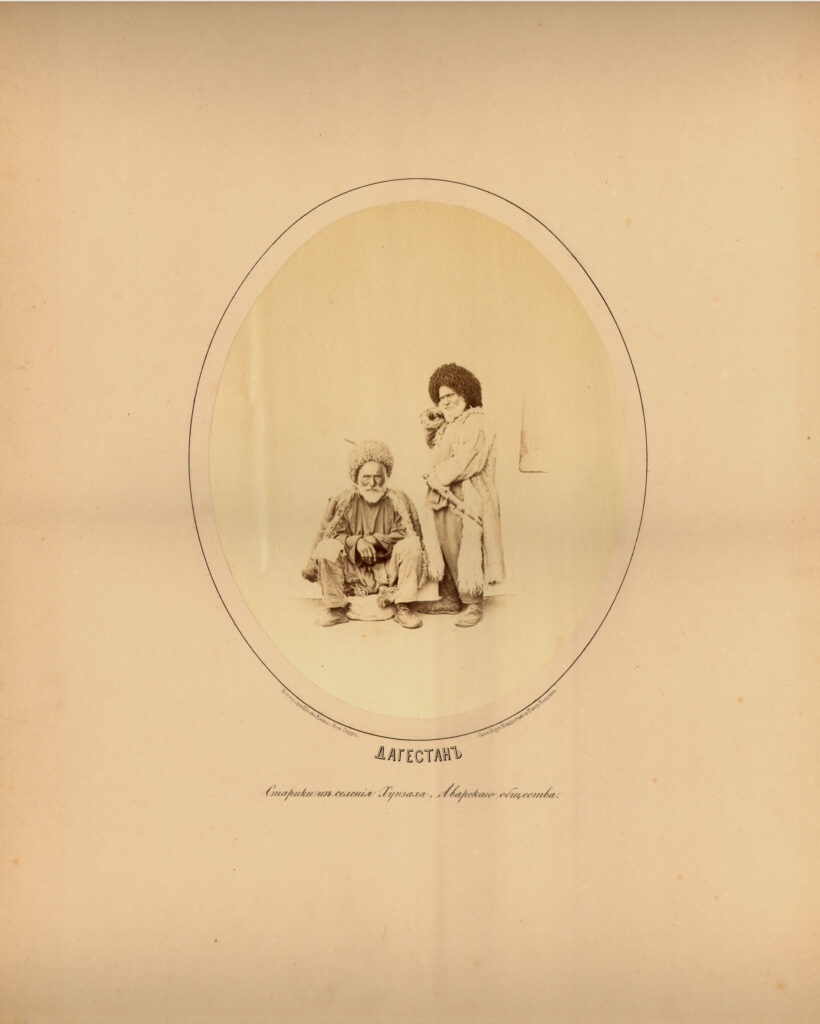
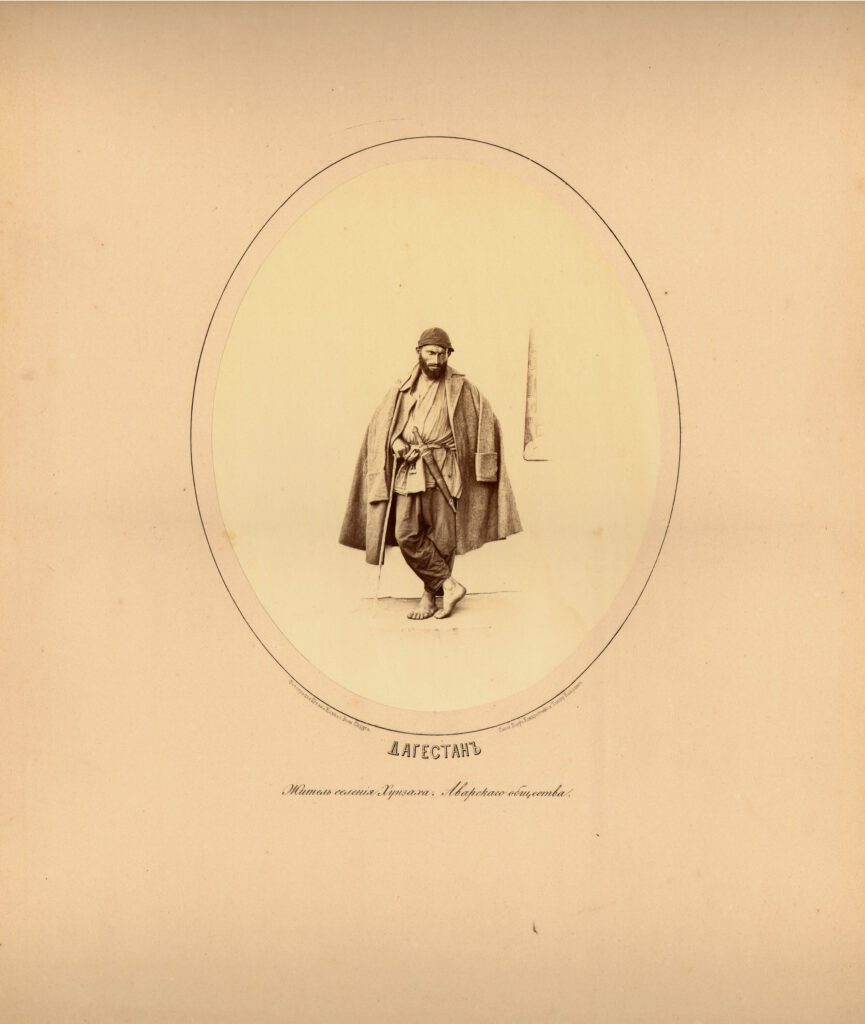
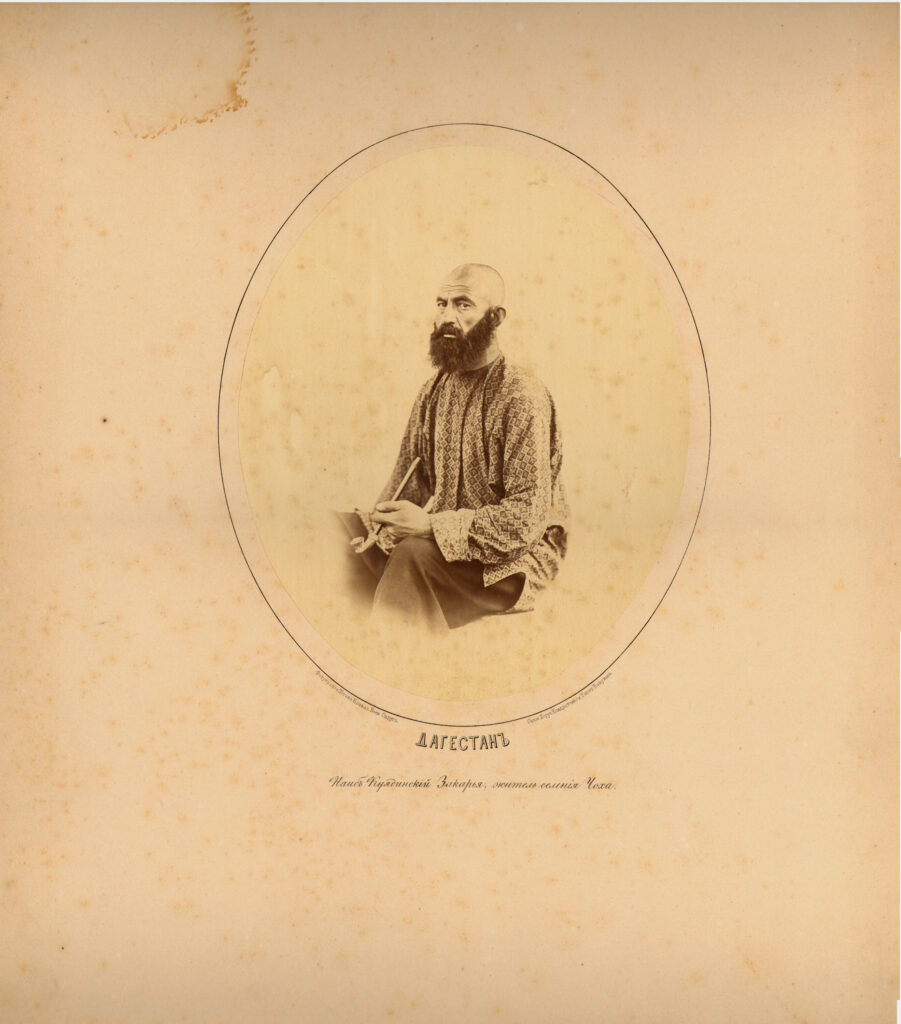
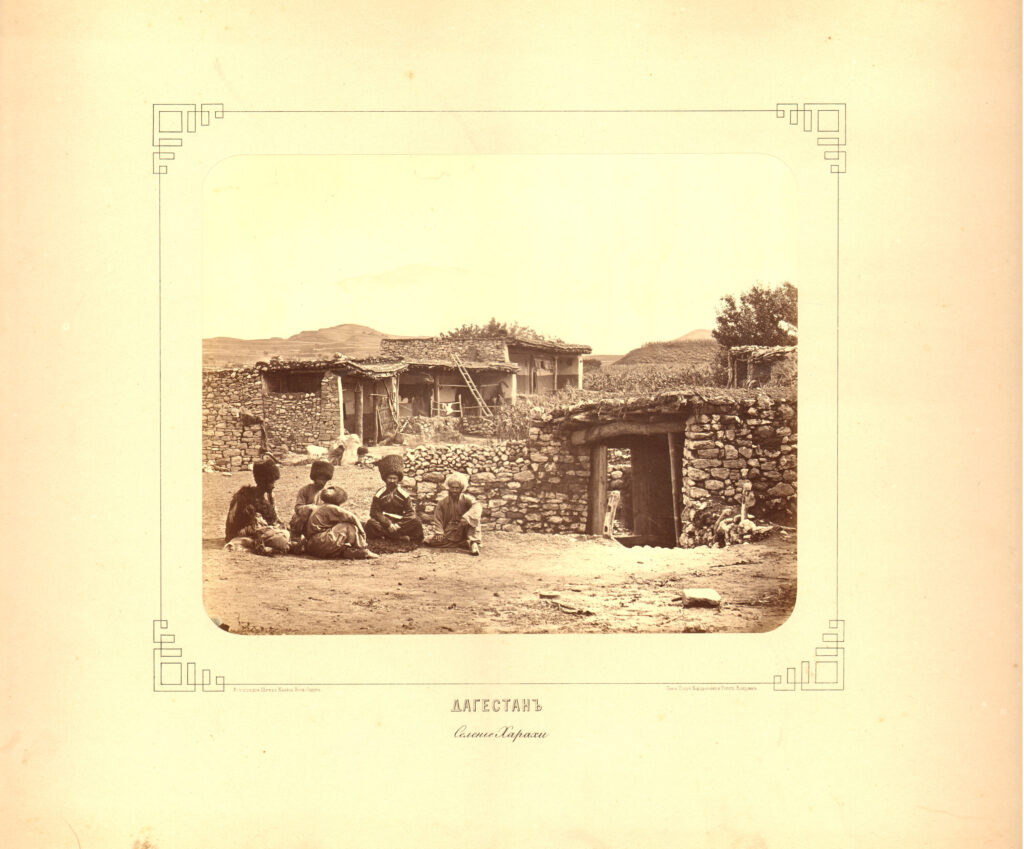
In 1865, Kondratenko was sent on an expedition to Dagestan, where he photographed mountain villages (auls) and created ethnographic portraits of local inhabitants.
These photographs are among the earliest visual records of Dagestan’s architecture, settlements, and social life.
Head of the Photographic Department
In 1866, Lieutenant Kondratenko was appointed head of the photographic section of the Military Topographic Department.
The photographic division of the Caucasian Army became an important center for documenting:
- landscapes
- architecture
- ethnographic subjects
- archaeological monuments
- geographic surveys
Photography was actively used as a scientific tool for the study of the Caucasus.
Recognition and Exhibitions
The photographic work of the Caucasian Army’s photographic department received international recognition.
In 1867, a series of ethnographic photographs produced by the department received a medal at the International Photography Exhibition in Berlin.
At the same time Kondratenko’s colleague Pyotr Simonenko participated in the Ethnographic Exhibition in Moscow, where he received a large silver medal for photographs depicting the peoples of the Caucasus.
Later Career
In 1871, Kondratenko became a junior surveyor in the Tiflis Judicial Chamber.
His later career included the following positions:
- 1876–1877 — surveyor
- 1878–1880 — senior surveyor
- 1881 — clerk in the Department of Communications
In 1882, he joined the Caucasian Statistical Committee as assistant to the chief editor Nikolai Karlovich Seidlitz.
During this period he attempted to open a commercial photography studio on Golovin Avenue in Tiflis, in premises formerly belonging to the photographer Eduard Westly. A year later he sold the studio to Alexei Nadezhin.
Expedition to Transcaspia
In 1883, Kondratenko travelled through the Transcaspian region, collecting:
- ethnographic data
- statistical data
- photographic documentation of landscapes and populations
This journey coincided with major political developments in Central Asia, including the incorporation of the Merv Oasis into the Russian Empire in 1884.
Photo Gallery
Dagestan Expedition Series (1865)
- Upper Charakhi – Image depicting traditional mountain architecture and inhabitants of a Dagestani village.
- Village Elder of Chokh – Portrait of a local elder seated in traditional clothing.
- Inhabitant of the Avar Community – Full-length ethnographic portrait of a Dagestani man in traditional dress.
- Elders of the Avar Community – Portrait of two men wearing traditional fur hats and clothing.
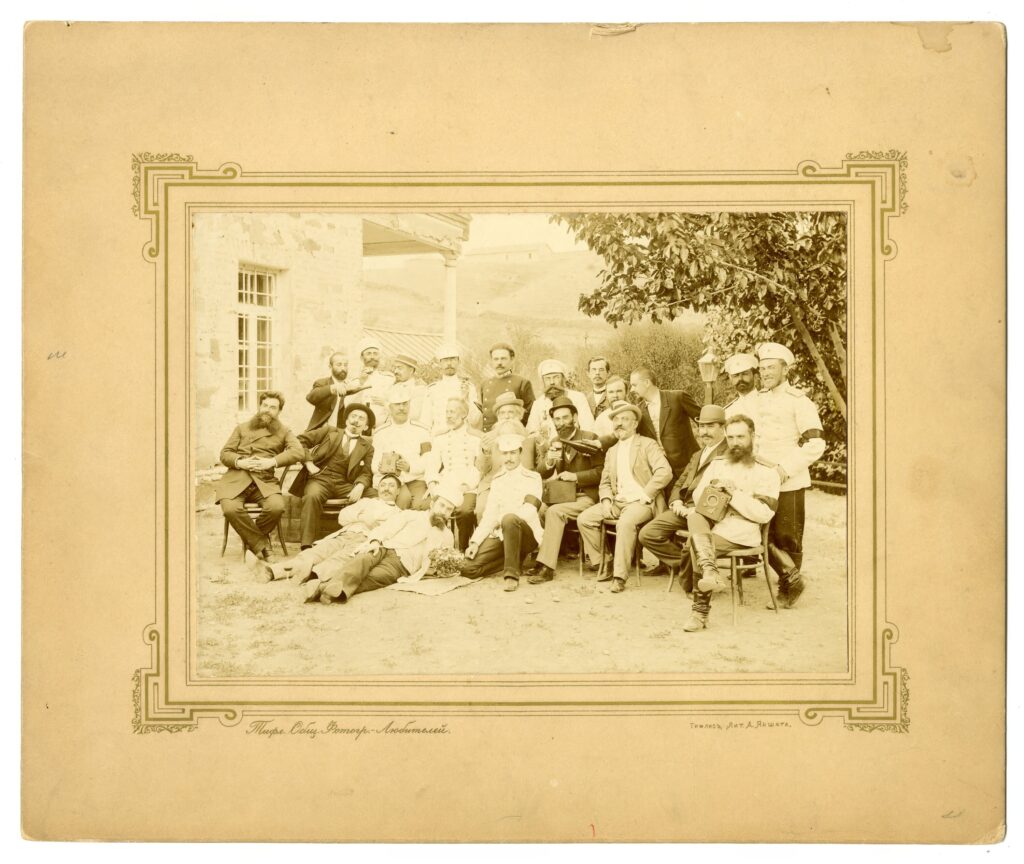
- Photographers and Amateurs in Tiflis – Group portrait of photographers and members of the photographic community gathered in Tiflis.
Author
Professor Giorgi (Gia) Gersamia
Doctor of Arts, Emeritus Professor
Shota Rustaveli Theatre and Film Georgia State University
Founder of the Georgian Museum of Photography and researcher of the history of photography in Georgia.