
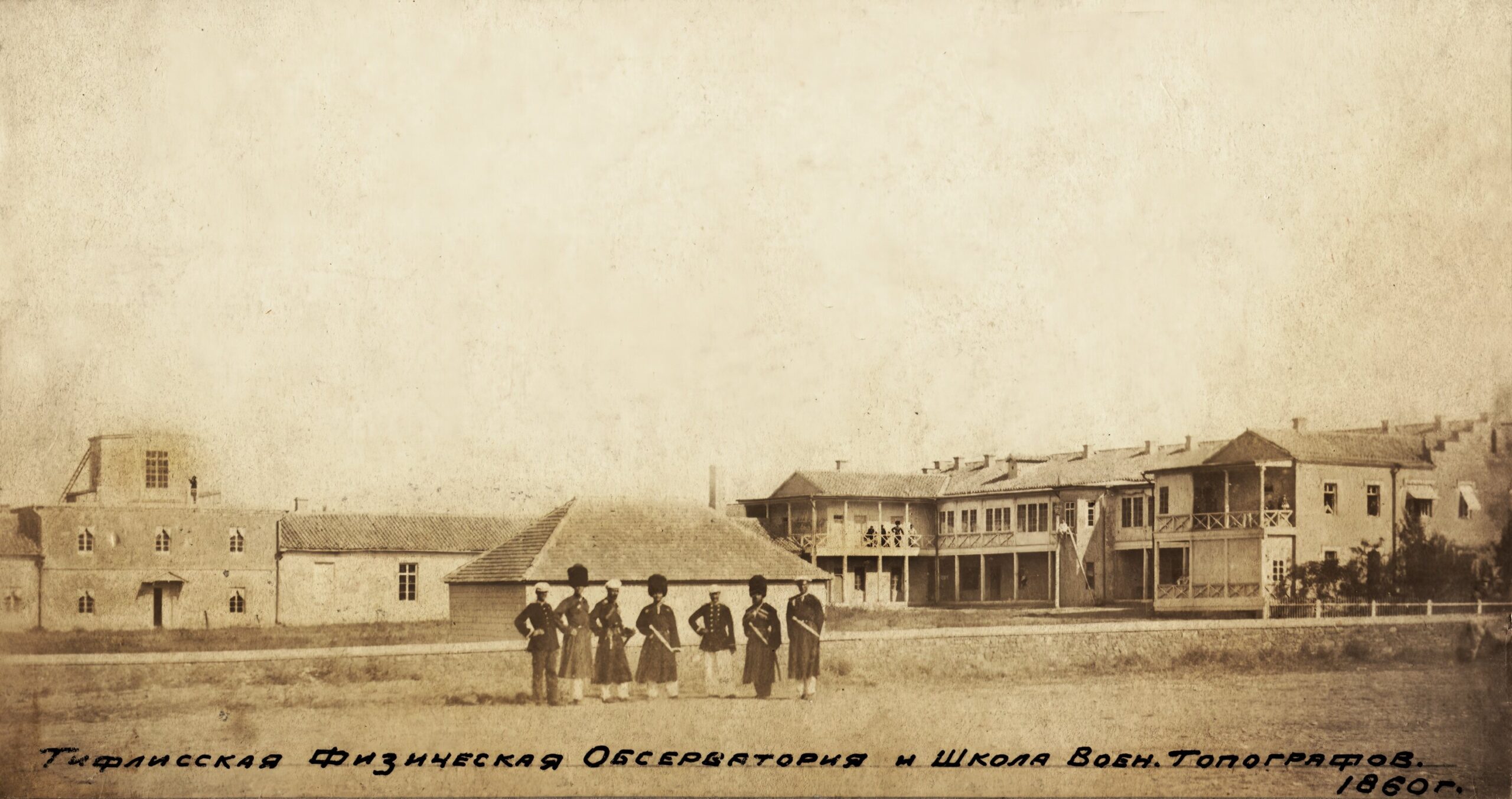
Photographers of Golovin Prospect
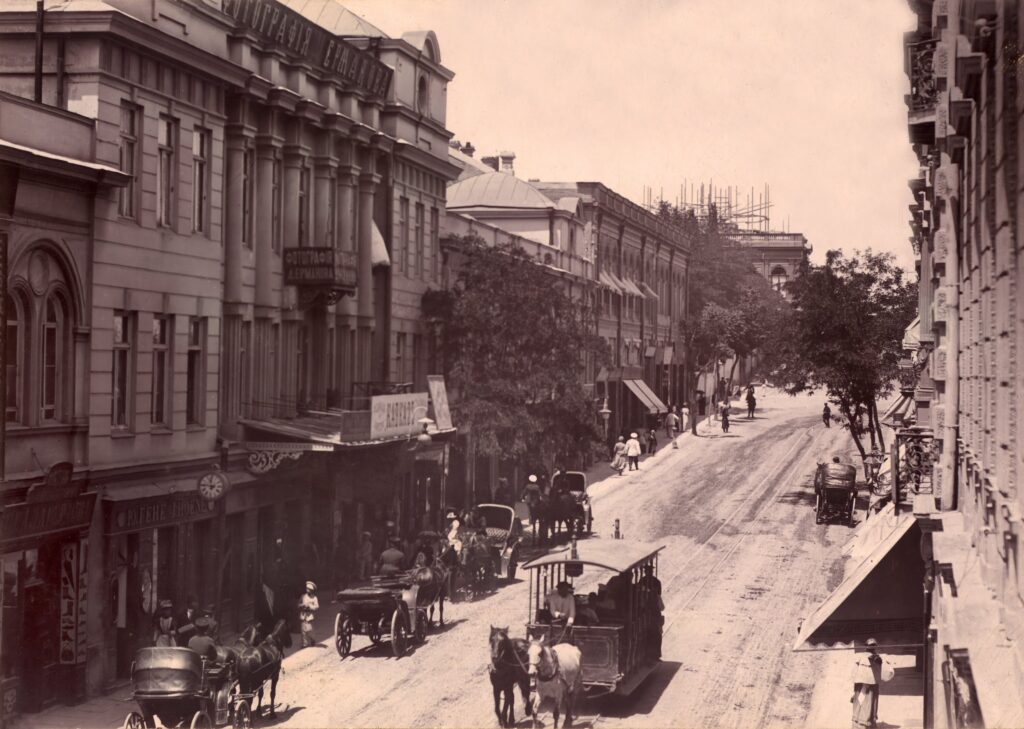
Golovin Prospect — today known as Rustaveli Avenue — was the cultural and commercial heart of nineteenth-century Tiflis. Along this prominent boulevard were located theaters, hotels, shops, editorial offices, and many of the city’s most fashionable establishments. It was here that numerous photographic studios appeared during the early decades of photography. The concentration of daguerreotypists, portrait photographers, and commercial studios on Golovin Prospect reflects the rapid spread of photographic culture in the Caucasus. This article explores the emergence of these photographers and the role their ateliers played in shaping the visual history of Tiflis.
The Invention of Photography and Its Spread
On 19 August 1839, the French government officially announced that it had acquired from the well-known artist Louis-Jacques-Mandé Daguerre the photographic process he had invented for fixing images in the camera obscura. The government declared that this invention would be made freely available for public use.
To explain the new technique, Daguerre published his work “A Historical Description of the Processes of the Daguerreotype and the Diorama.” He actively promoted the commercial dissemination of his invention beyond France, encouraging photographers and entrepreneurs to adopt the new technology.
Within less than a year, improvements in photographic technique significantly reduced exposure times. This made it possible not only to photograph landscapes and architecture but also to create portrait photographs. As a result, portrait studios began to open rapidly across Europe.
Enterprising daguerreotypists travelled far from their home countries in search of new markets and clients. Photography, still a novelty, attracted great curiosity, and photographers often moved from city to city offering their services to local residents.
Soon these pioneers of photography reached the Transcaucasian region as well.
Photography Arrives in the Caucasus
In the middle of the nineteenth century, the new craft of photography — often described at the time as “light-painting” — began to appear in the cities of the Caucasus.
Various individuals who had learned the technique in Europe or in the Russian Empire came to Tiflis in search of work. Among them were artists, dentists, merchants, retired military officers, and even members of the nobility. Photography was a new and promising profession, and many people were eager to try their fortune in this emerging field.
These early photographers established temporary or permanent studios where they produced portraits, small photographic cards, and other images that quickly became fashionable among the urban population.
Tiflis in the Mid-19th Century
What kind of city was Tiflis at that time?
A reference book published in 1888 gives the following description of the city:
“Tiflis has about 105,000 inhabitants. One half of the population consists of Russians (mainly officials) and Georgians (mostly artisans), while the other half is made up of Armenians (traders and craftsmen).
The city is divided by its appearance into two parts — an Asian and a European one. The Asian part is inhabited mainly by artisans, while the European part contains beautiful houses and streets where the official aristocracy and bourgeoisie live.
Here are located the palace of the Viceroy with its garden, the magnificent Caucasian Museum, the public library, the editorial offices of Russian, Armenian and Georgian newspapers, gymnasiums and theatres.
The city itself is quite picturesque. It lies in a basin between steep mountains on the banks of the river Kura. As in many southern cities, street life is especially lively. Many craftsmen carry out their work directly before the eyes of passers-by, and on the local boulevard one can encounter representatives of all the peoples of the Caucasus.”
This lively and multicultural city soon became a fertile ground for the development of photography. The growing urban population, the presence of officials, merchants, and cultural institutions, and the fashion for portraiture all created favorable conditions for the opening of photographic studios.
Early Photographers and Portrait Studios
At the beginning of 1846, the newspaper Kavkaz reported1:
“One cannot but rejoice at the great influx of various artists in Tiflis. Not long ago we had only one portrait painter known here as the ‘Georgian Raphael.’ Anyone who needed a portrait would turn to Ya. N. Ovnatanov, and he always successfully satisfied all demands. He even painted portraits from memory of people who had long since died, whom he had only rarely seen.
But now there have appeared first the daguerreotypist Bart, and afterwards the portraitist Conradi, who arrived from Odessa.”
This brief newspaper notice clearly illustrates how quickly photography began to compete with traditional portrait painting. Photographic portraiture offered a faster and often cheaper alternative to painted portraits, and the new technique soon gained popularity among the inhabitants of Tiflis.
Photographers and Studios of Golovin Prospect
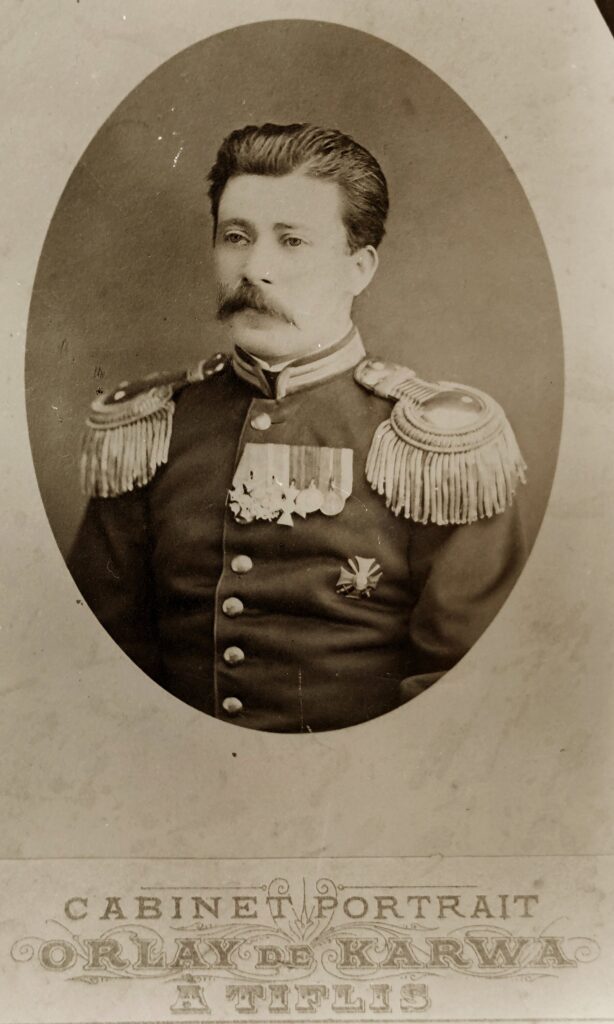
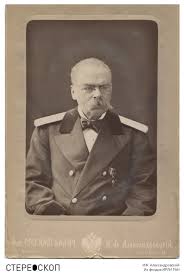
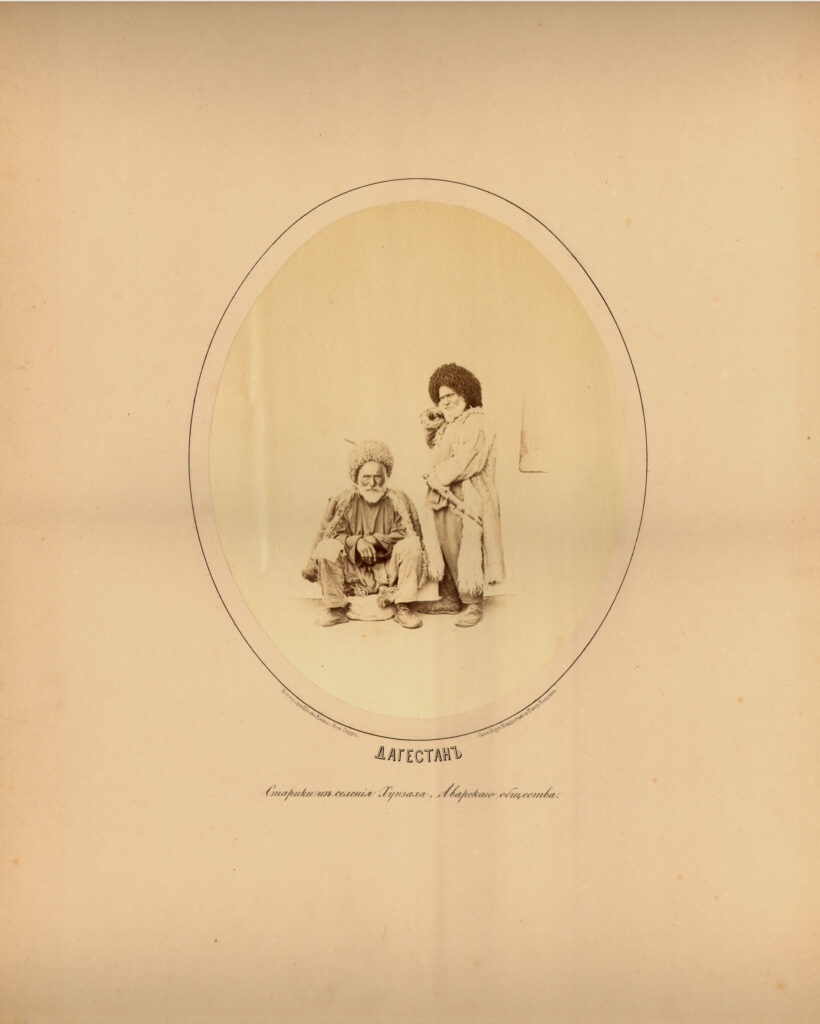
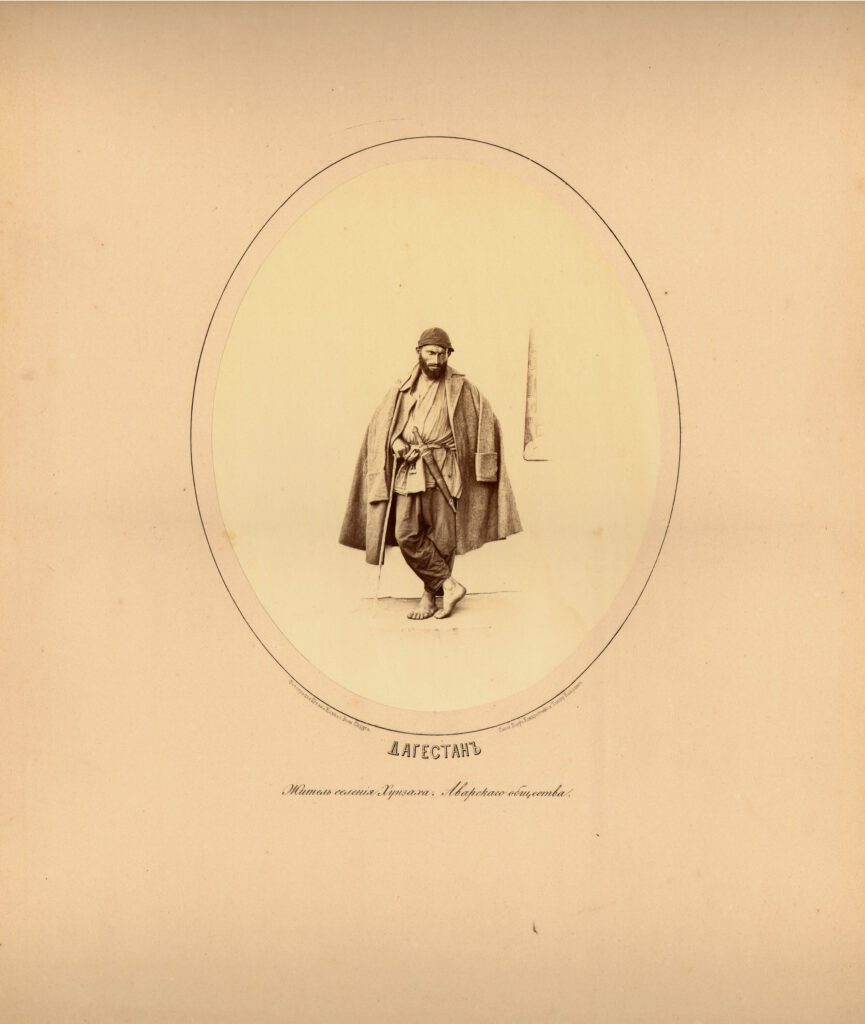
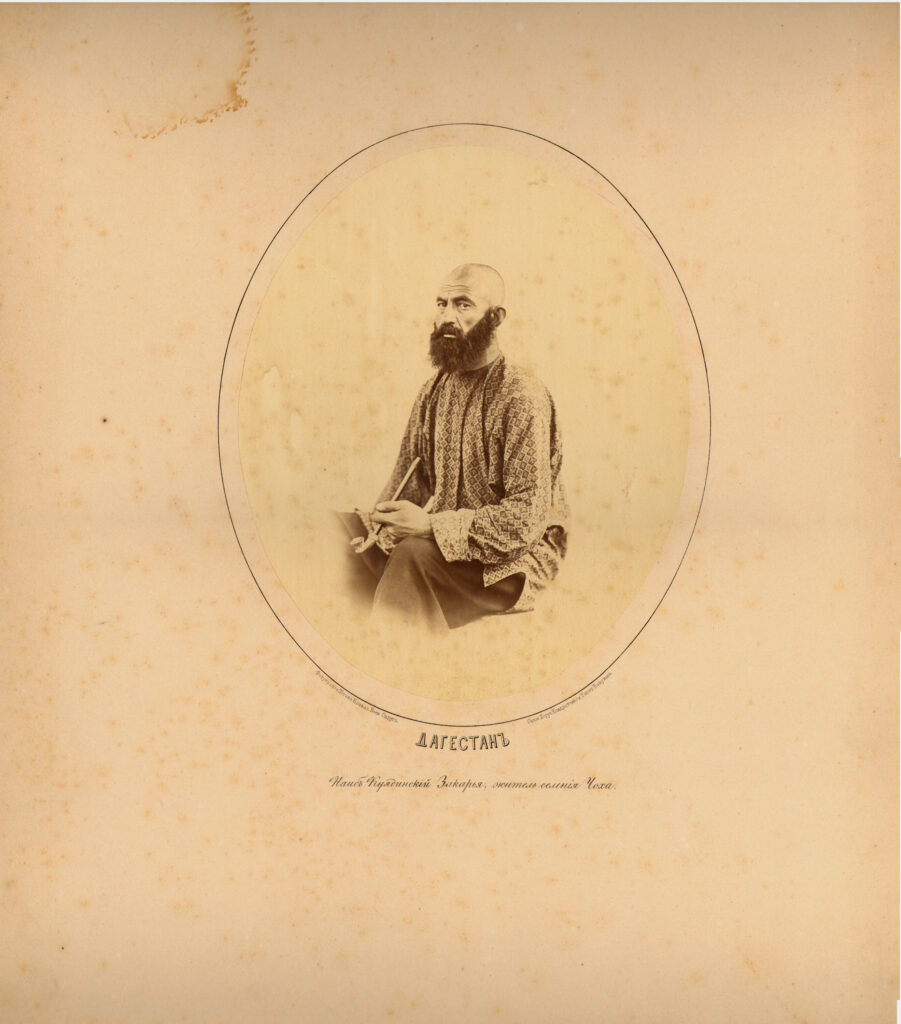
Early photographic studios and photographers active in Tiflis during the nineteenth century.
Growth of Photographic Establishments
In the following years the number of photographic establishments in Tiflis steadily increased. Photography was rapidly becoming both a fashionable and commercially successful profession. Portrait studios appeared one after another, and photographers competed for clients by offering new techniques and artistic approaches.
At various times these studios operated under different names, often emphasizing their European character or artistic ambitions. Among them were establishments known as:
- “St. Petersburg Photography”
- “French Photography”
- “Berlin Photography”
- “Europe”
- “Rembrandt”
- “Transcaucasian Photography”
- “Light and Shadow”
- “Bas-Relief”
- “Electra”
- “Pushkinskaya”
- “New Photography”
These names reflected both the cosmopolitan nature of Tiflis and the desire of photographers to associate their studios with the great artistic traditions of Europe. The concentration of such establishments along Golovin Prospect gradually turned the avenue into the principal center of photographic activity in the city.
Notable Photographers of the Period
In autumn 1848, the newspaper Kavkaz announced the arrival in Tiflis of Henry Haupt and Ivan Alexandrovsky2, whose work attracted particular attention.
They offered portraits executed in oil paint, watercolor, and daguerreotype, sometimes combining photographic techniques with artistic coloring. According to the newspaper, these portraits were produced “with coloring perfected to the highest level attainable in the daguerreotype process.”
If Henry Haupt remained a relatively little-known Moscow daguerreotypist, Ivan Alexandrovsky was an exceptionally remarkable figure.
Between 1839 and 1841, Alexandrovsky studied at the Imperial Academy of Arts in the class of the famous painter Karl Bryullov. Later he participated in the Caucasian War as a military artist.
In 1853, Alexandrovsky opened his own photographic studio on Nevsky Prospect in St. Petersburg, and by 1859 he had become the court photographer of Emperor Alexander II.
At the same time he was engaged in technical innovation. In 1854 he patented a stereoscopic photographic apparatus, and from 1860 he began working on ambitious engineering projects, including the design and construction of submarines and naval torpedoes, introducing a number of innovative technical solutions.
Photography and Urban Culture in Tiflis
The development of photography in Tiflis was closely connected with the growth of the city itself. As Tiflis expanded into an administrative, cultural, and commercial center of the Caucasus, photography quickly became an essential element of urban life.
Photographic portraits were especially popular. Families, officials, merchants, and travelers all wished to preserve their likenesses in the new medium. Portrait photographs, often carefully colored by hand, were placed in elegant leather frames or albums and soon replaced miniature painted portraits that had previously been produced by traditional artists.
For many painters this new technology created competition. Some portrait painters began collaborating with photographers, helping to retouch or color photographic images, while others sought commissions elsewhere.
By the 1860s, photography had become firmly established in Tiflis. Studios offered increasingly diverse services: portrait photography, colored photographs, stereoscopic images, and views of cities and landscapes. Photographs of Tiflis itself, as well as views of the Caucasus mountains and important roads such as the Georgian Military Highway, became popular souvenirs for travelers.
Thus Golovin Prospect, where many of these studios were located, emerged as a center not only of commerce and culture but also of the visual memory of the city.
Views of Tiflis and Golovin Prospect
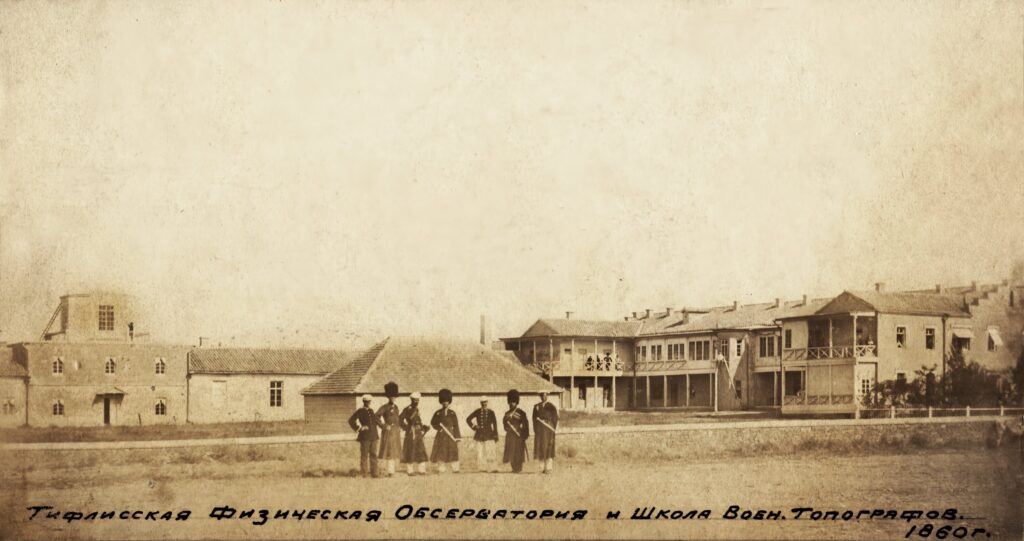
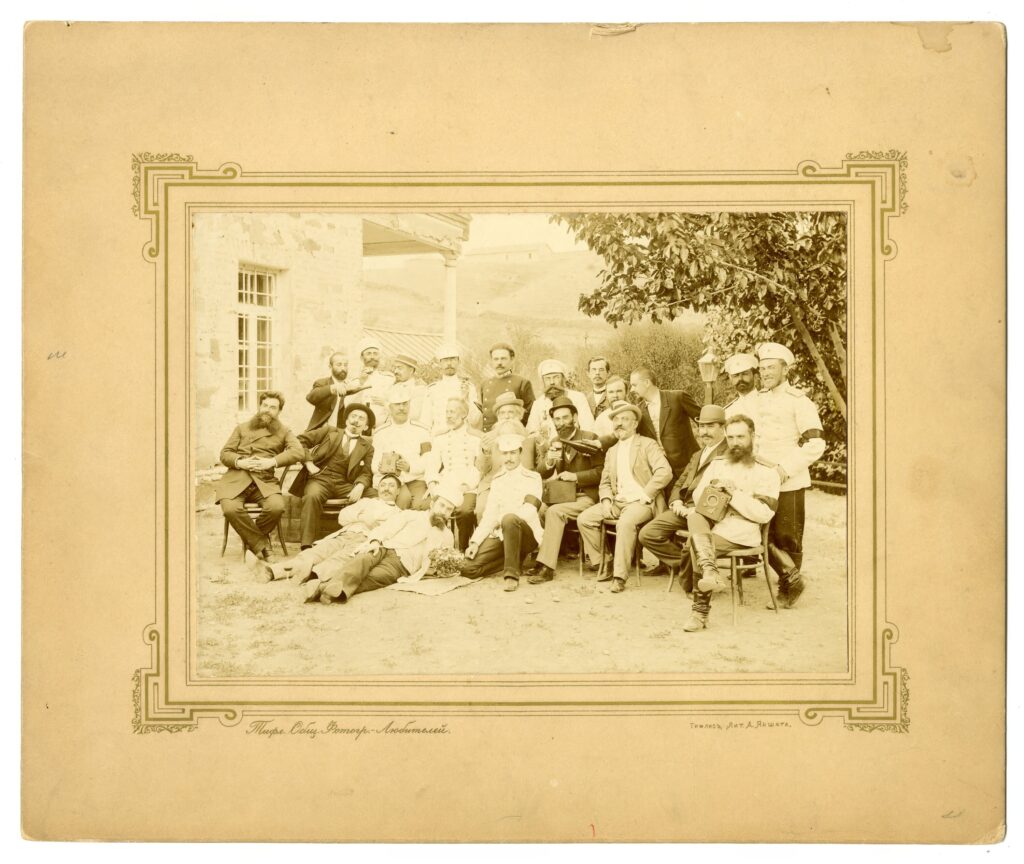
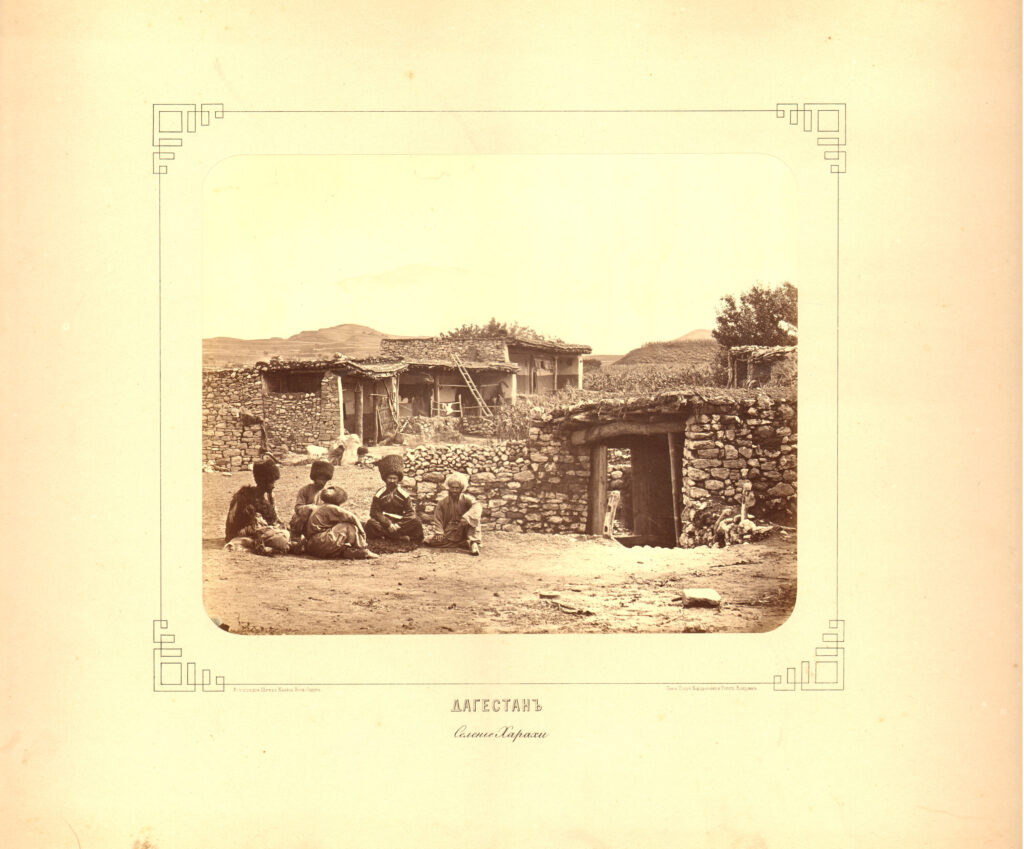
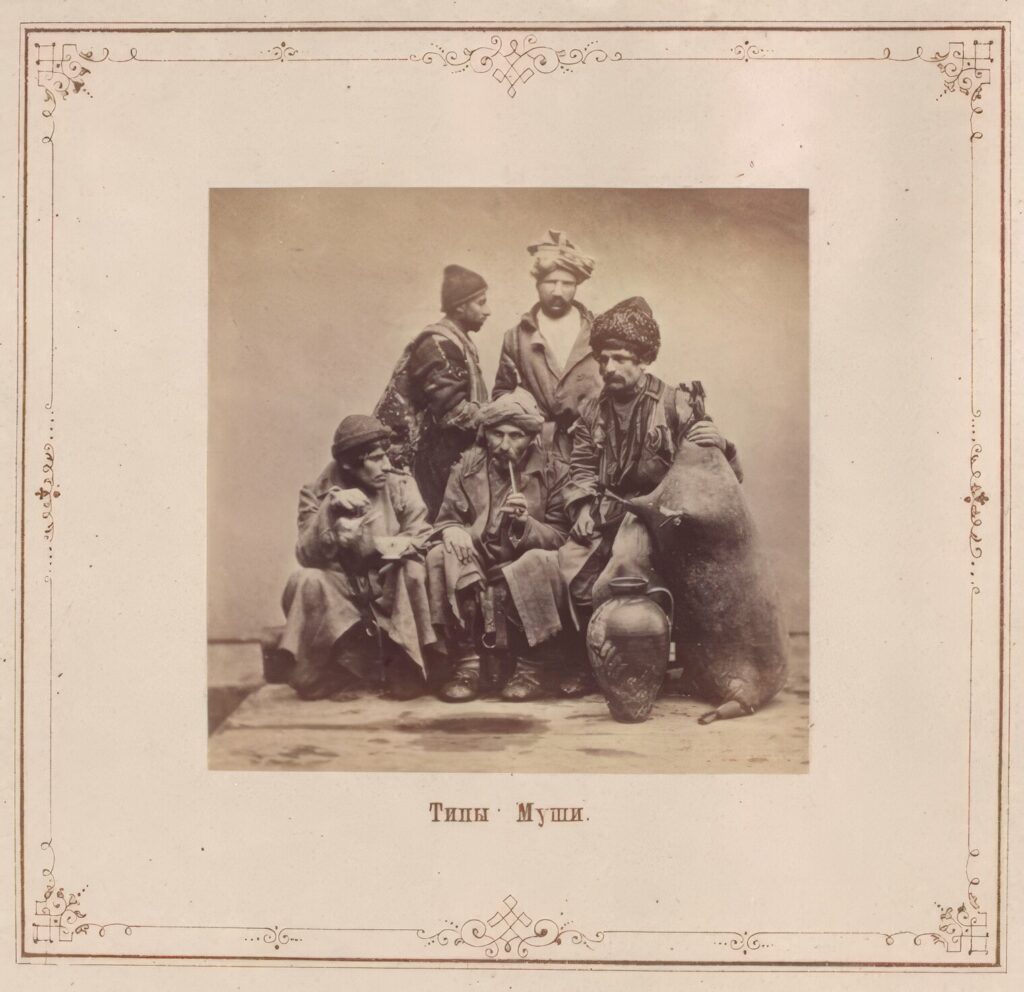
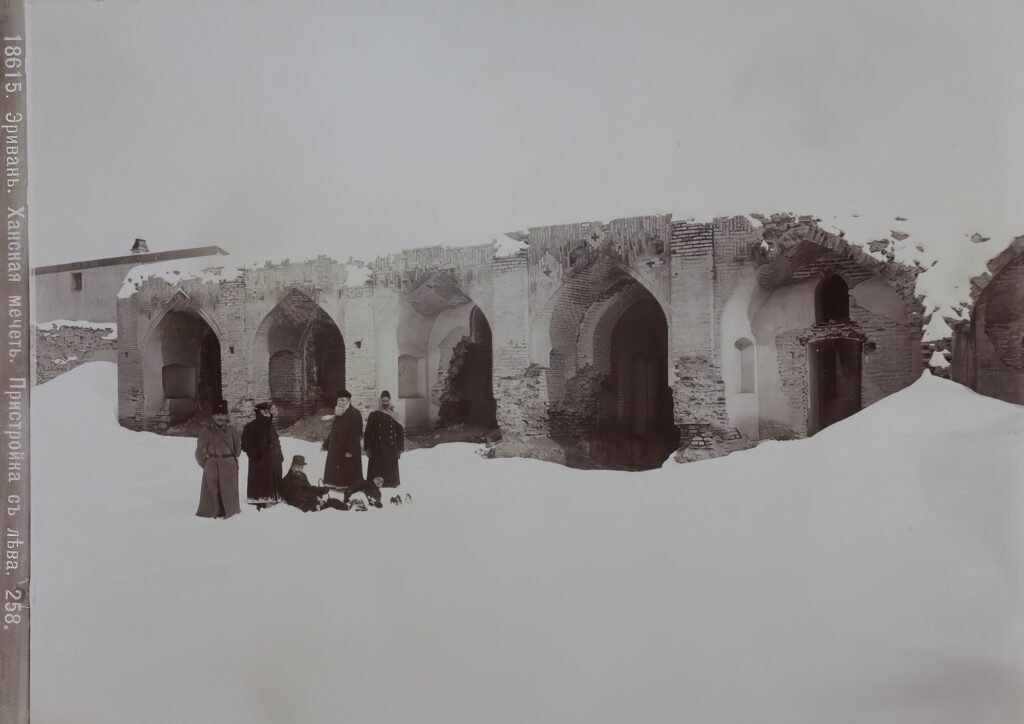
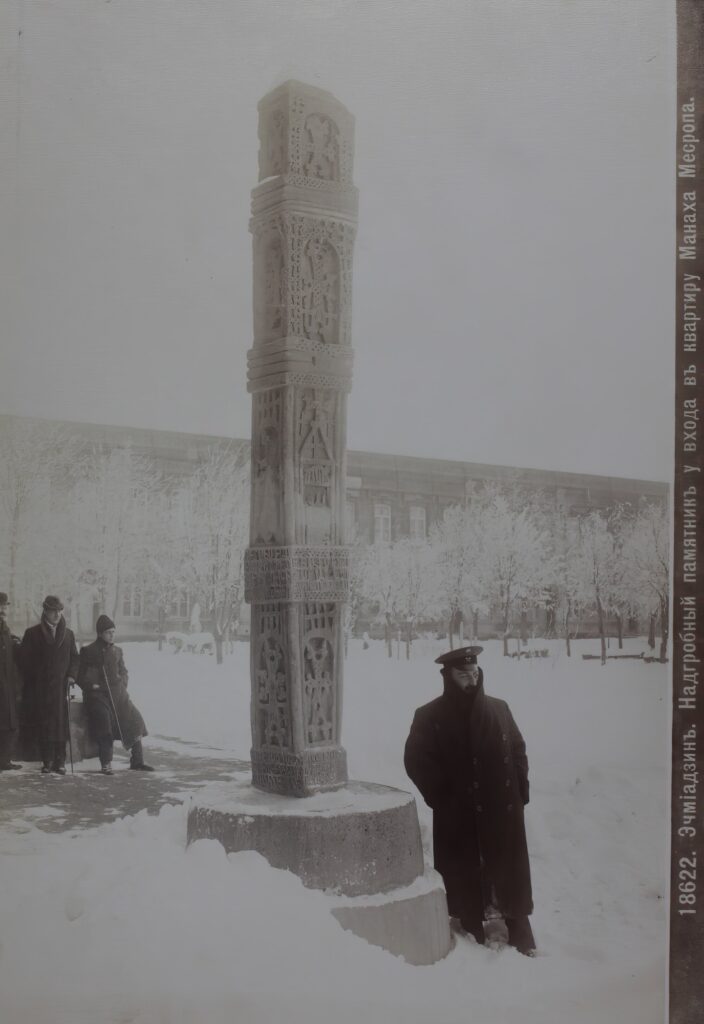
Historic photographs of Tiflis illustrating the urban environment in which early photographers worked.
Conclusion
The emergence of photography in Tiflis during the nineteenth century reflects the broader cultural and technological transformations of the period. Introduced soon after its invention in Europe, photography quickly found fertile ground in the dynamic and multicultural environment of the Caucasian capital.
Photographers arriving from various regions of the Russian Empire and Europe opened studios, experimented with new techniques, and contributed to the visual documentation of urban life. Their ateliers, many of which were located along Golovin Prospect, helped establish photography as both an artistic and commercial profession in the city.
Today these early photographs represent invaluable historical documents. They preserve the appearance of the city, its people, and its cultural life at a time when photography itself was still a new and evolving medium. The work of these photographers laid the foundations for the development of photography in Georgia and remains an important part of the country’s visual heritage.
Author
Professor Giorgi (Gia) Gersamia
Doctor of Arts, Emeritus Professor
Shota Rustaveli Theatre and Film Georgia State University
Founder of the Georgian Museum of Photography and researcher of the history of photography in Georgia.
References
- Newspaper Kavkaz, 1846.
- Newspaper Kavkaz, 1848.
- Newspaper Kavkaz, 1864, №82.