ისპანახობა — ძველი თბილისის დავიწყებული კარნავალი
XIX საუკუნის თბილისის მასობრივი დღესასწაული — ყეენობის გარდაქმნილი ფორმა, რომელიც ქალაქის კულტურულ მრავალფეროვნებას ასახავდა.
This project explores Ispanakhoba, a largely forgotten urban festival that once played a significant role in the cultural life of 19th-century Tbilisi.
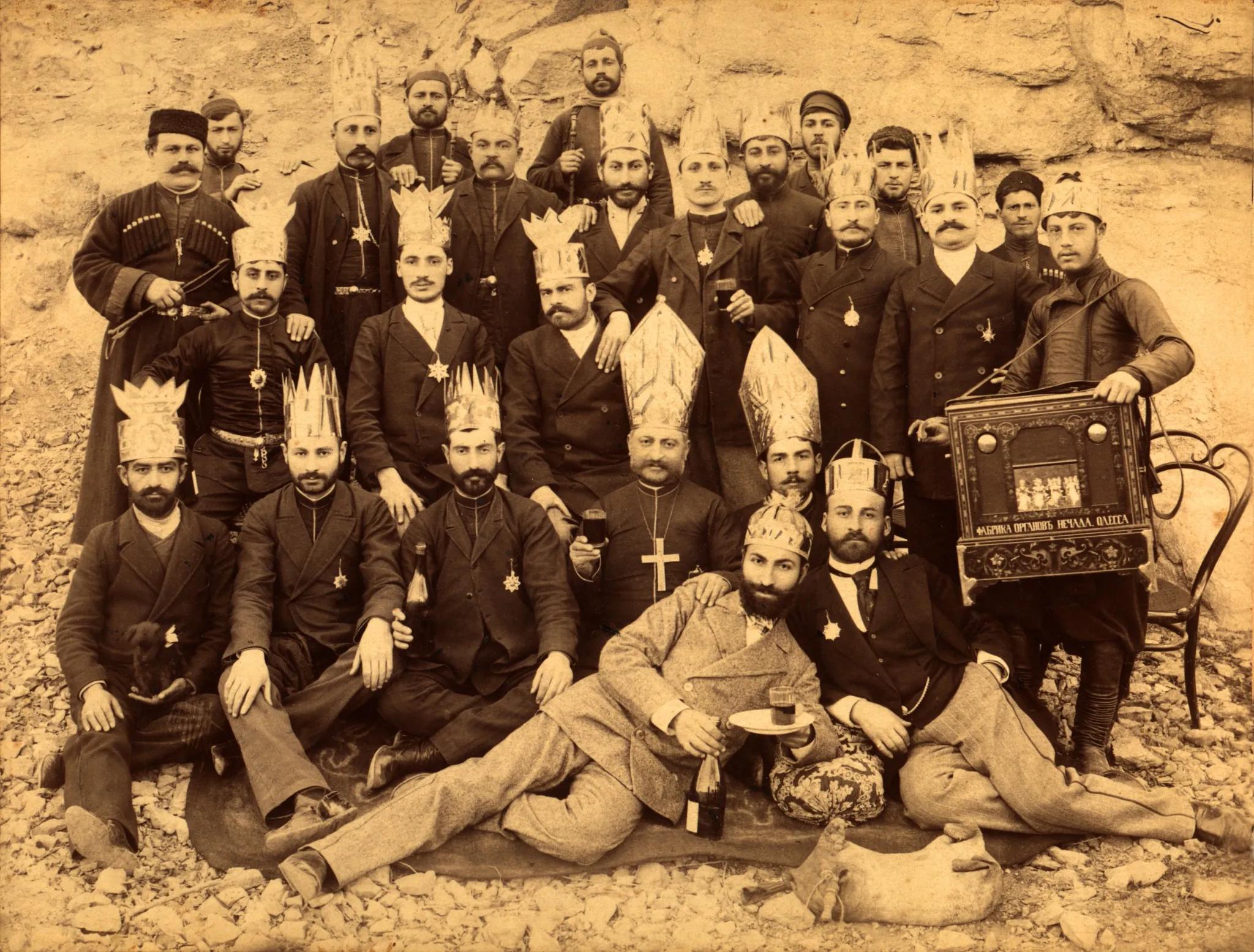
Historical sources indicate that around 1880 the Russian imperial authorities banned the carnival of Keenoba, a popular satirical masquerade in Tbilisi. In response, citizens created a modified celebration known as Ispanakhoba, preserving the festive spirit through costumes, paper crowns, masquerades, and communal feasting.
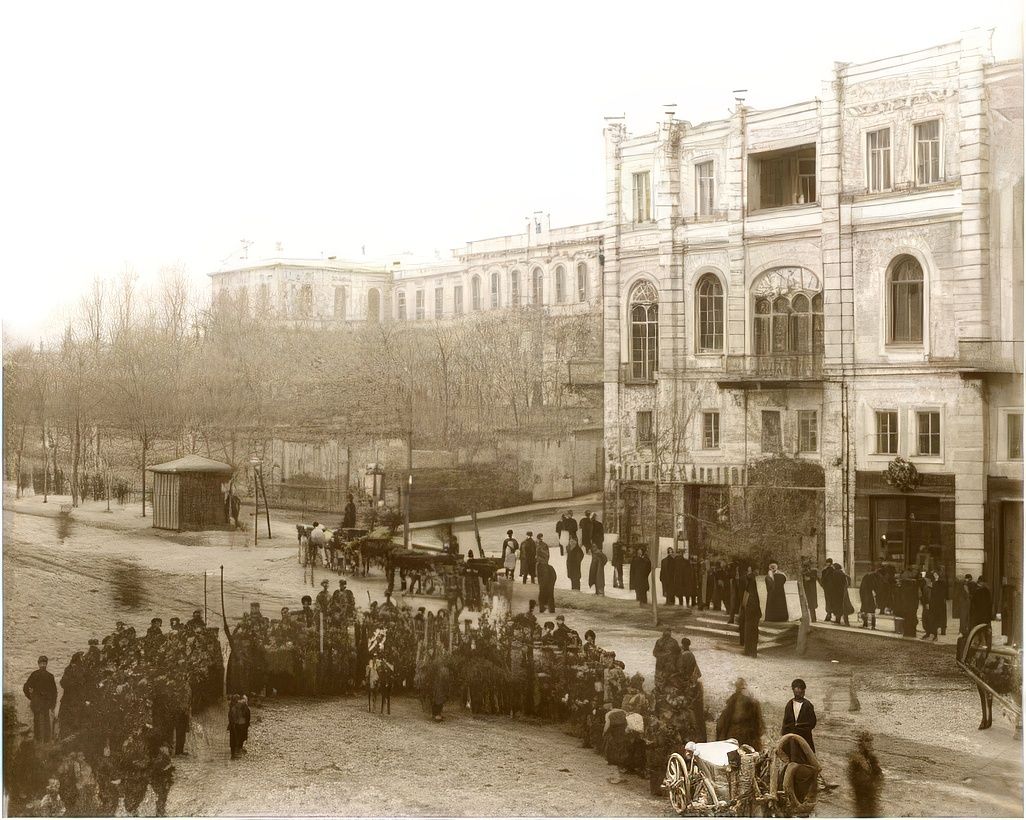
The celebration typically took place during the period of Great Lent, often in the gardens of Ortachala, gathering diverse groups of Tbilisi residents in a carnival-like atmosphere.
Historical accounts also note that Ilia Chavchavadze, one of the most influential figures of Georgian national culture, participated in the festivities in 1894.
The project is based on rare historical photographs documenting participants of Ispanakhoba wearing paper crowns and carnival attire, revealing the vibrant social life of Tbilisi at the end of the nineteenth century.
The project aims to:
* revive a forgotten urban tradition
* interpret historical photographic archives
* reconstruct the social culture of Old Tbilisi
* present photography as a primary source of cultural memory