The Meqise of Tiflis Sulfur Baths
The Art of the Massage
The sulfur baths of Tiflis occupy a central place in the historical identity of the city. According to tradition, King Vakhtang Gorgasali discovered the hot springs in the 5th century, leading to the founding of the city itself. The name “Tbilisi” derives from the Georgian word tbili, meaning warm.
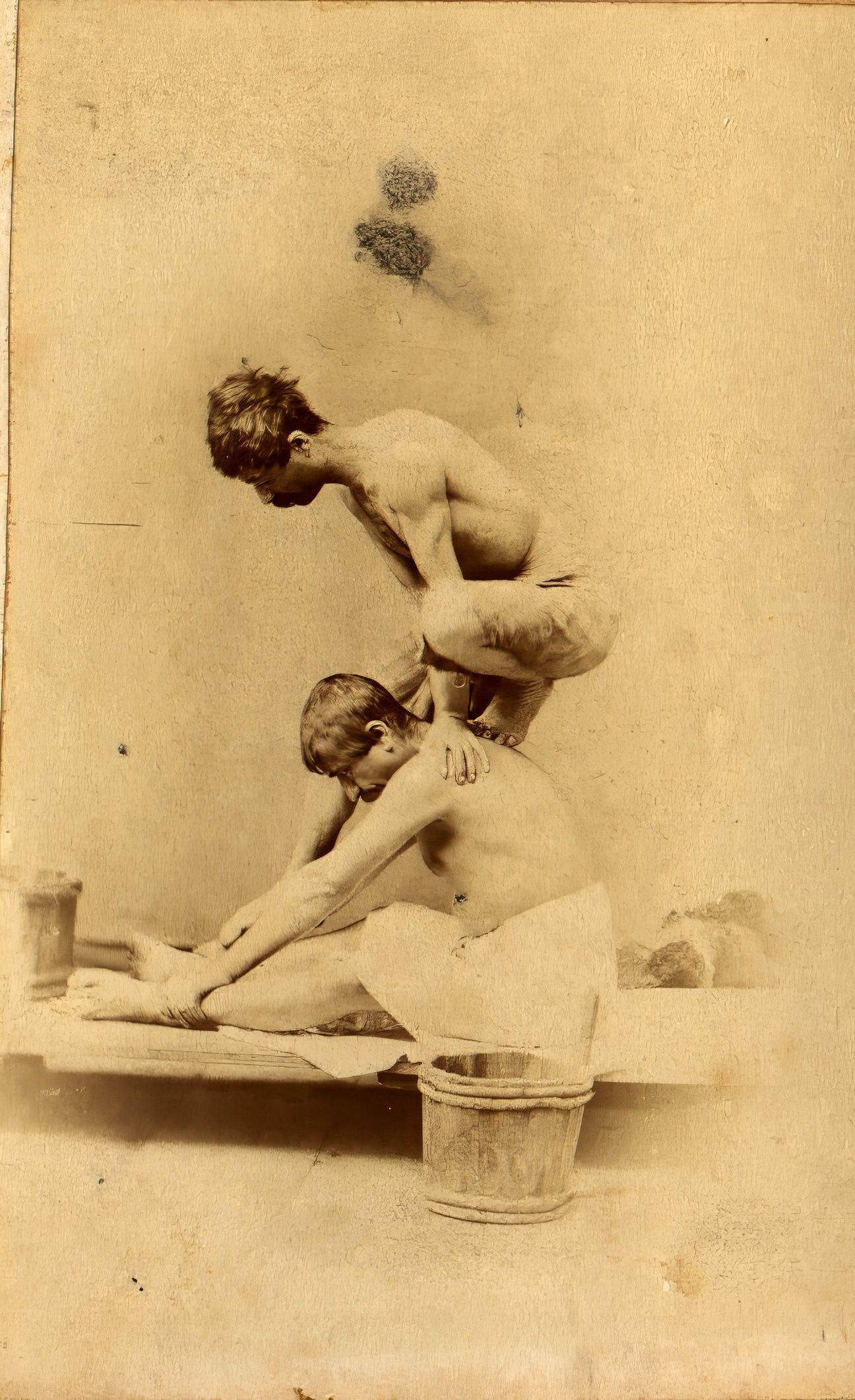
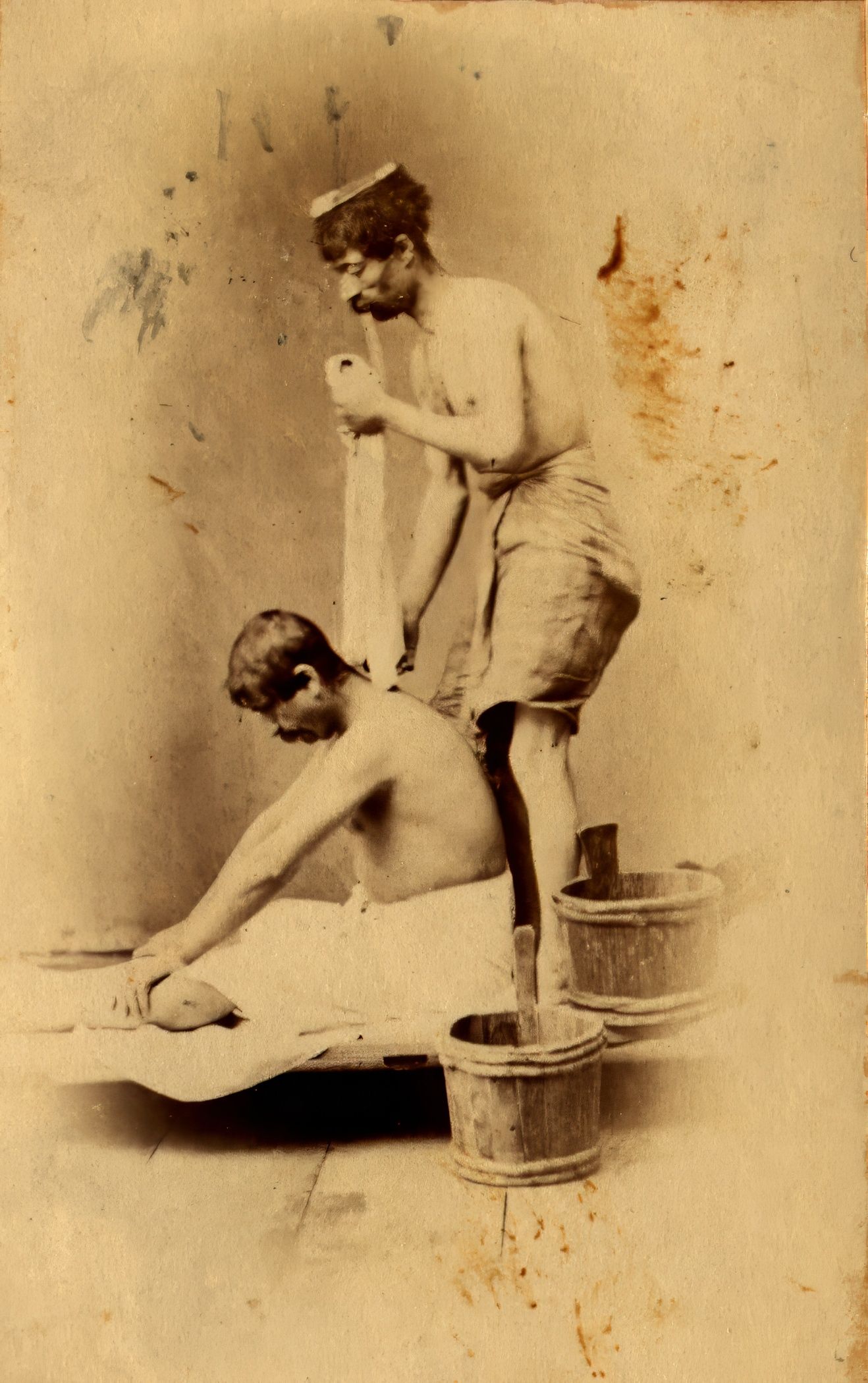
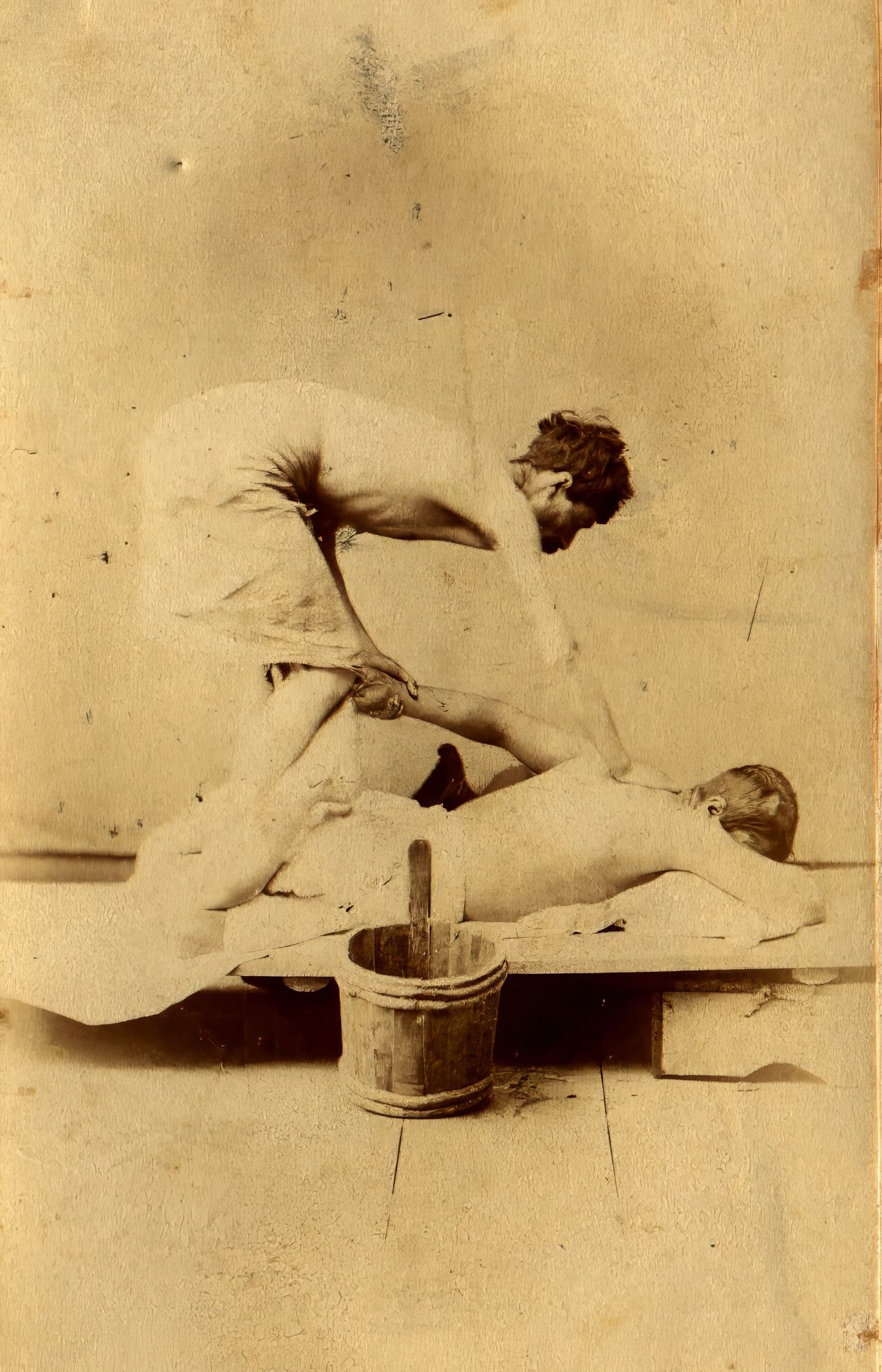
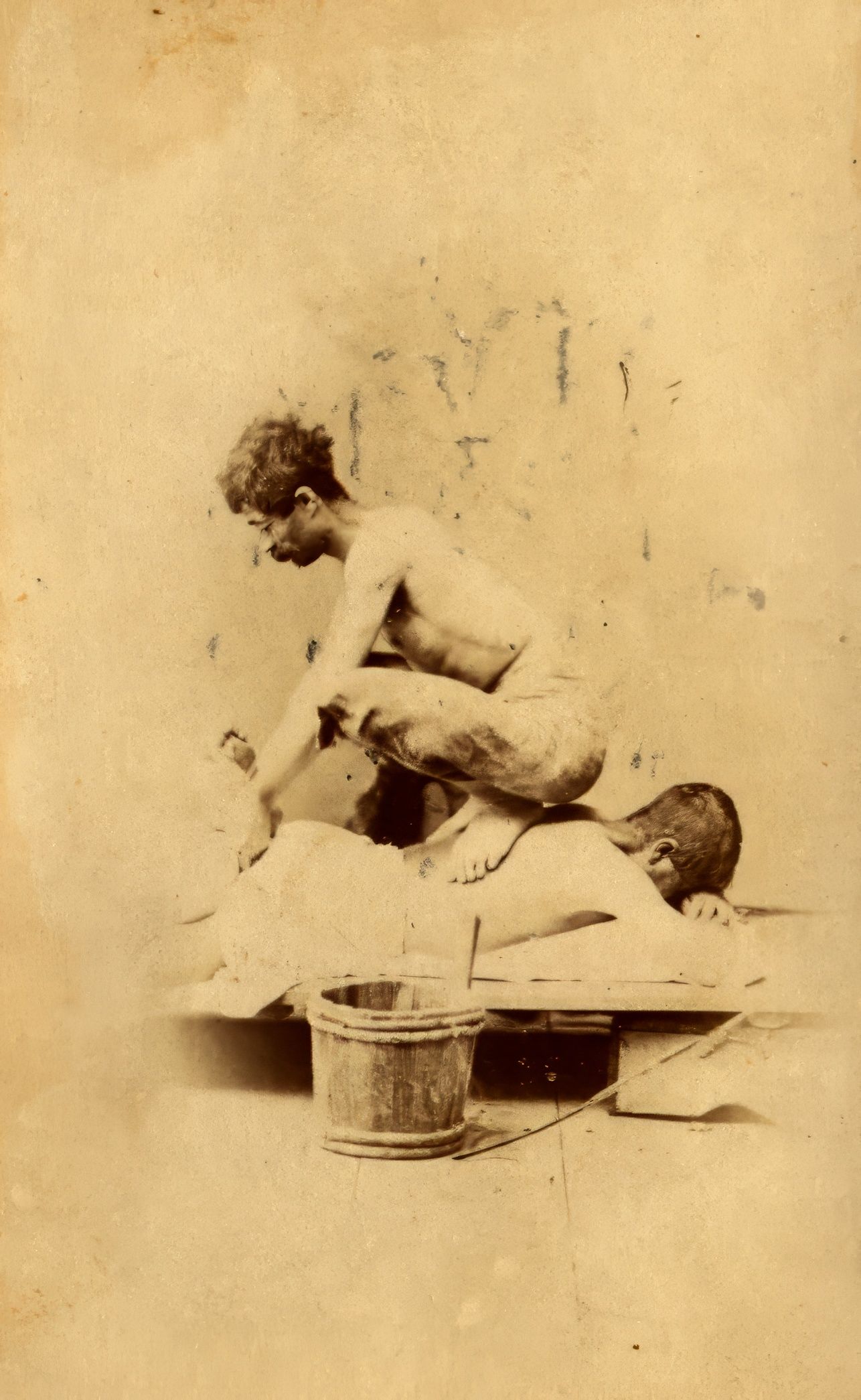
By the 19th century, the sulfur baths had become not only places of hygiene, but important social institutions — spaces of ritual, negotiation, therapy, and public life. Within this environment worked the meqise — highly skilled bathhouse masseurs known for their intense and physically demanding techniques. Contemporary accounts describe deep-pressure massage, joint manipulation, and even the masseur standing on the client’s body to apply weight and force.
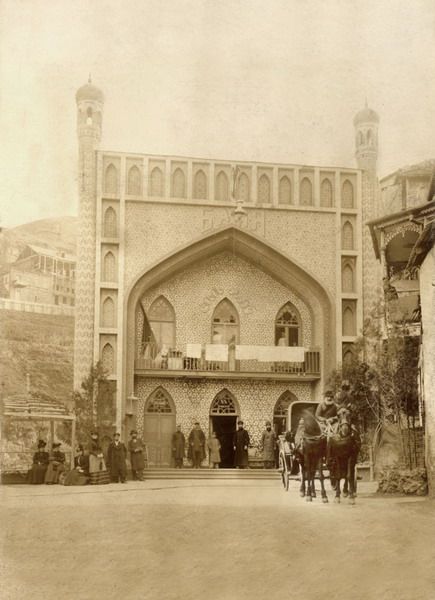
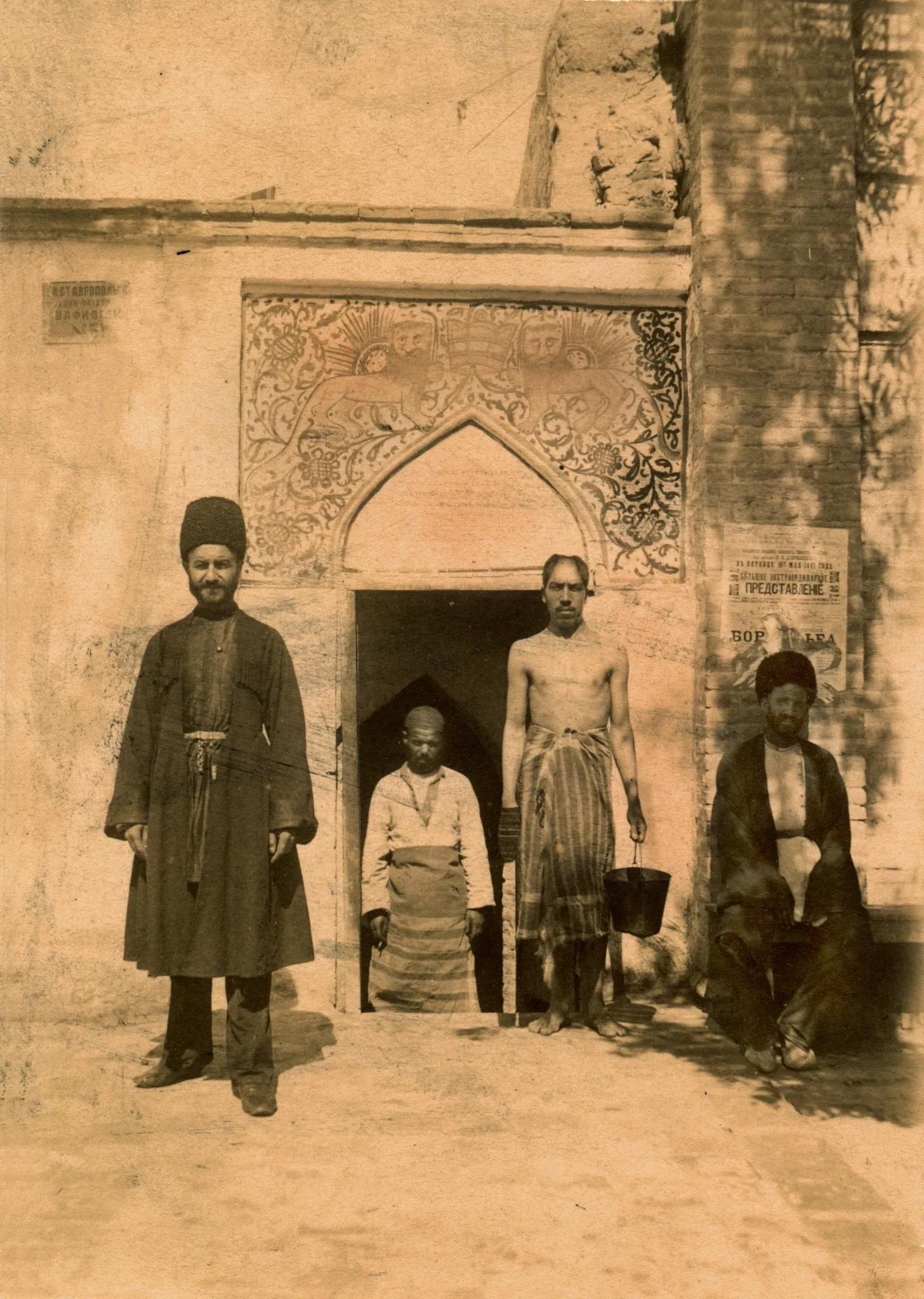
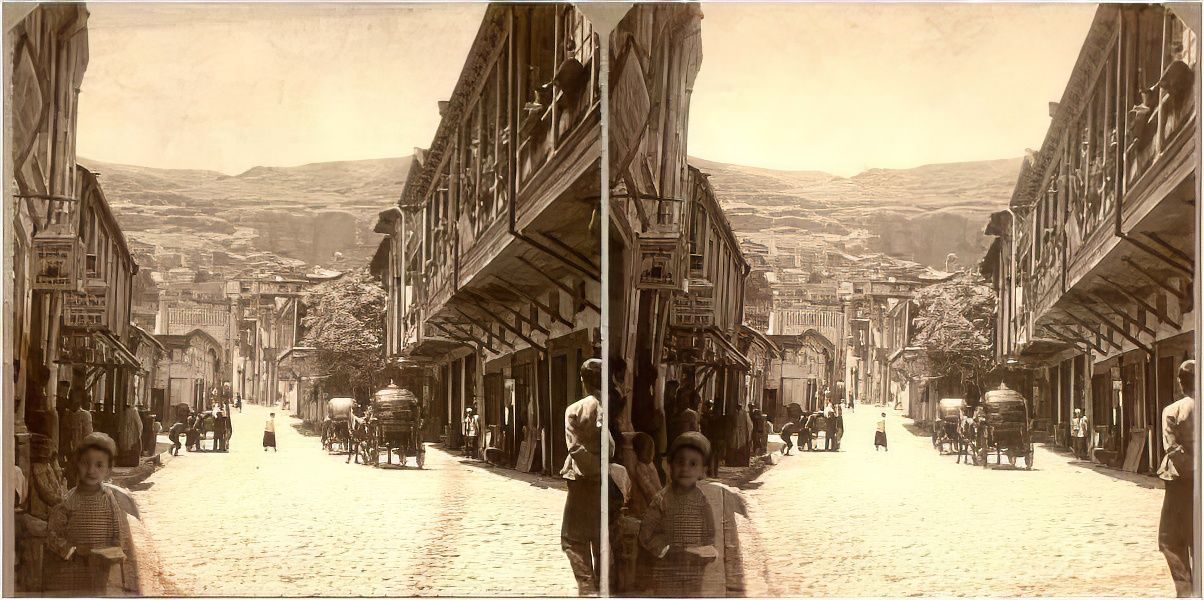
Photographic documentation from the late 19th and early 20th centuries captures both the architectural setting of the baths and the embodied practice of the meqise. These images preserve a tradition that combined therapeutic practice, craftsmanship, and performance within the urban fabric of Tiflis.
This project brings together architectural views and documentary photographs to examine the sulfur bath culture as both tangible and intangible heritage.