Forest Brotherhoods
Outlaws, Resistance, and Memory in Imperial Georgia
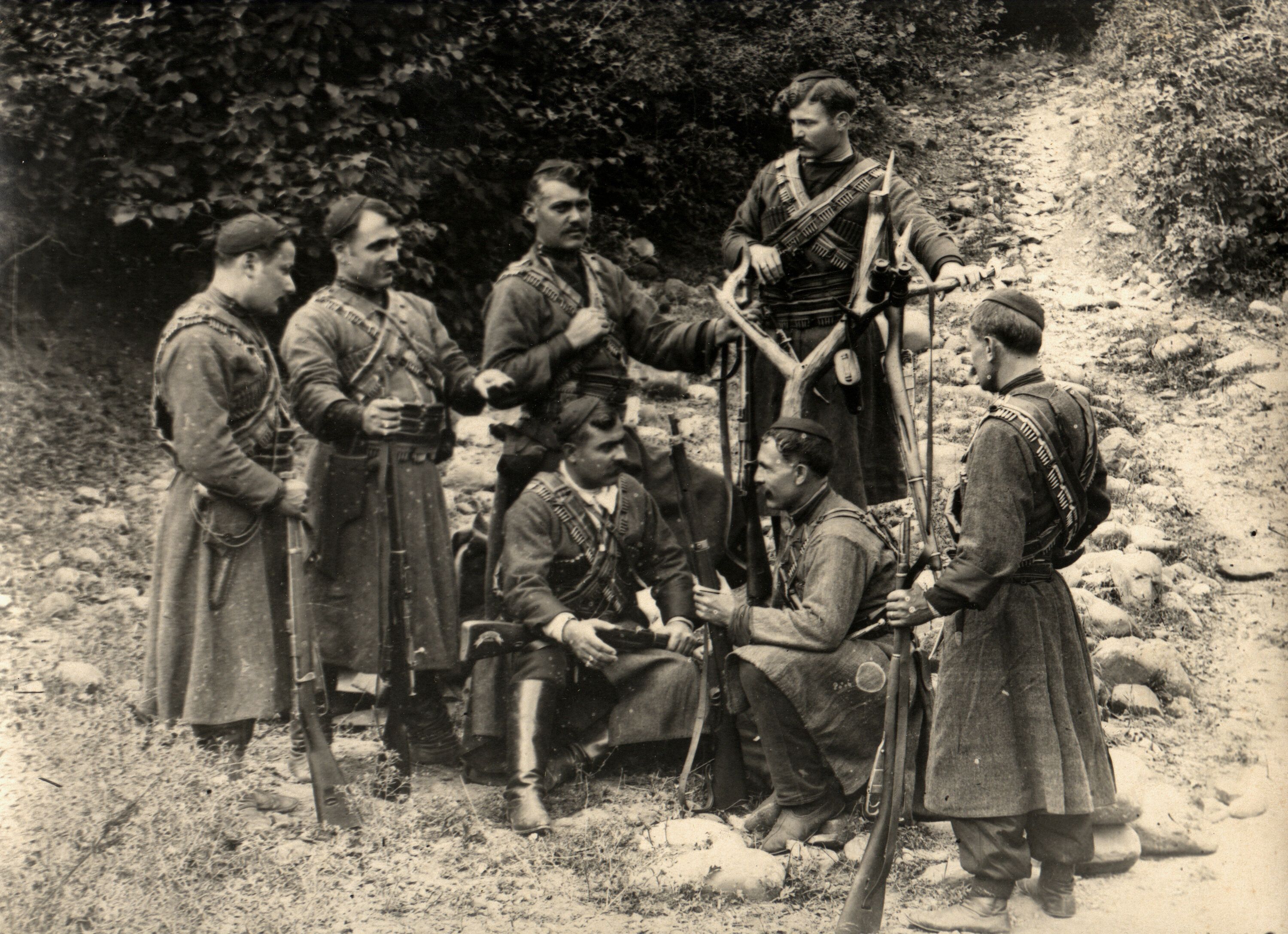
Between 1879 and the mid-20th century, groups of armed men operated in the forests of Georgia during periods of Russian Imperial rule. Official records described them as criminals and outlaws. Yet within local communities, many were remembered differently — as protectors, avengers, or symbols of resistance against abusive authority.
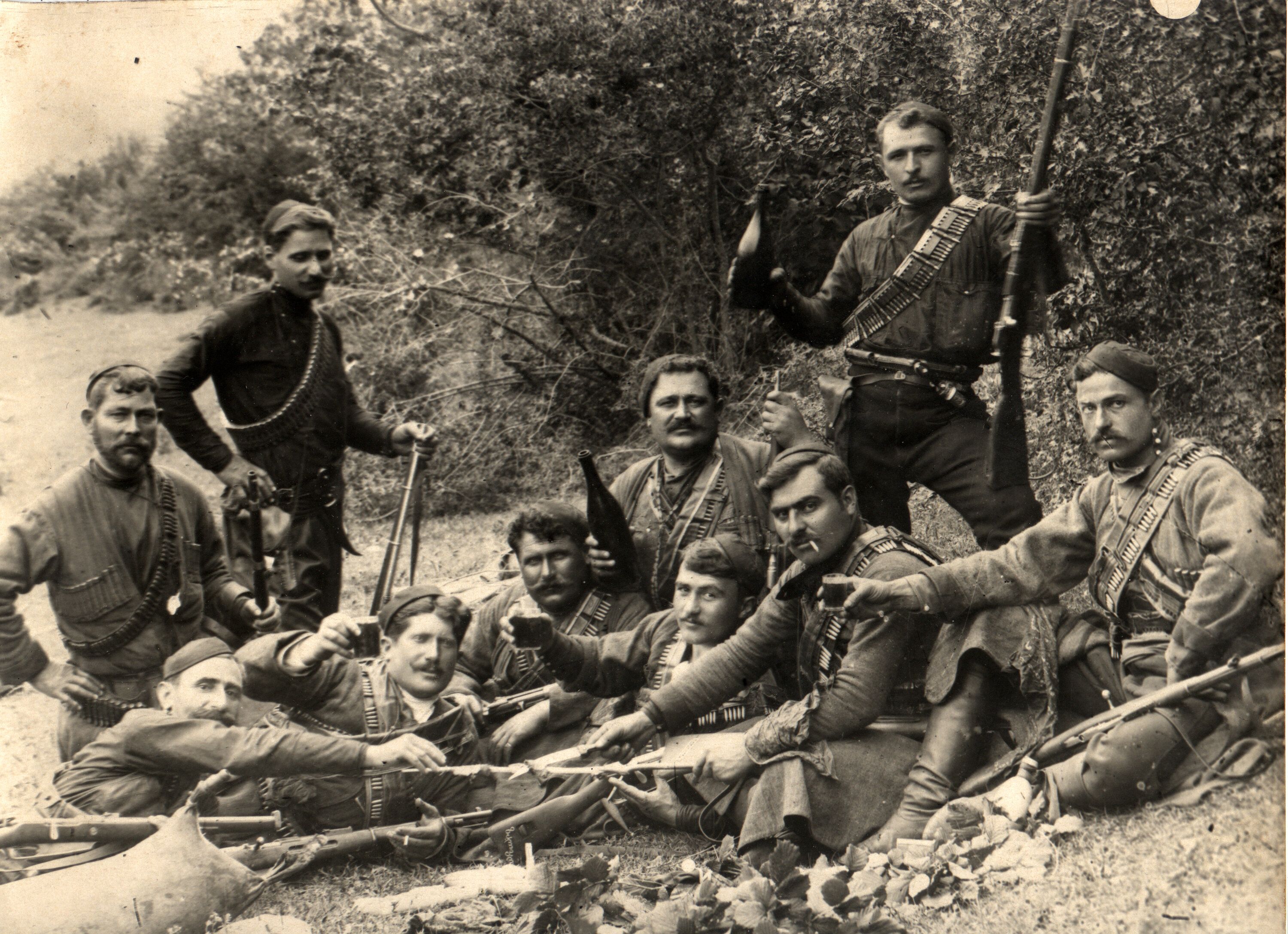
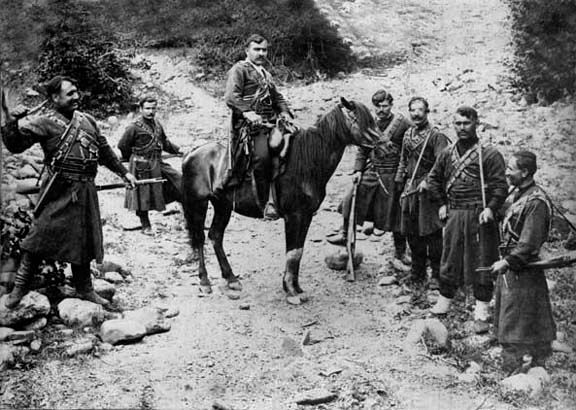
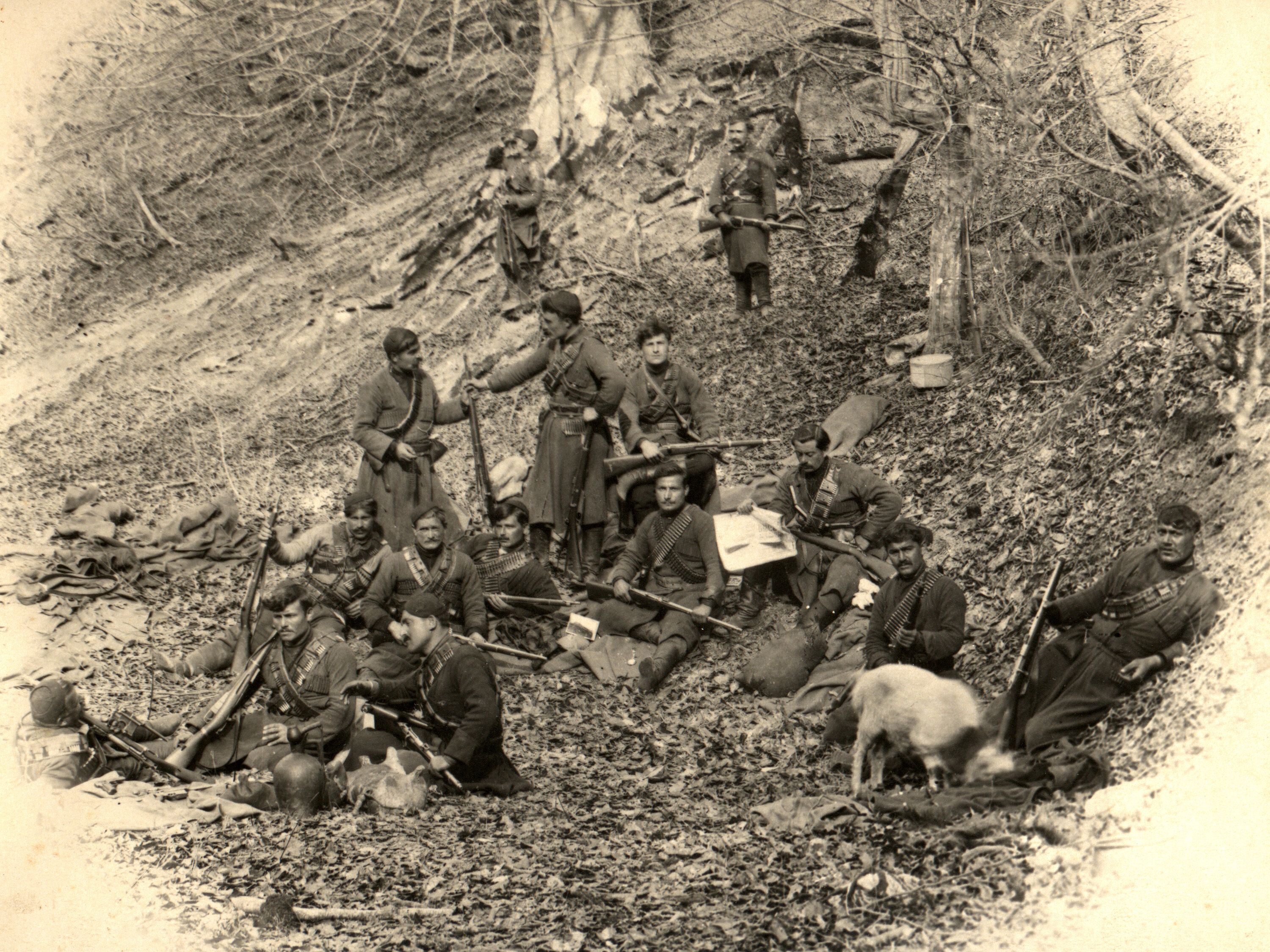
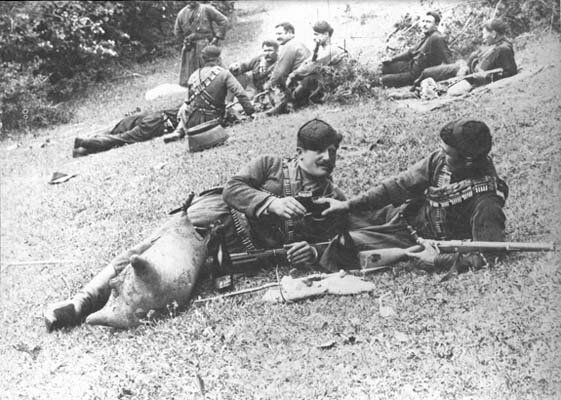
This project presents rare historical photographs documenting these so-called “forest brotherhoods.” Through portraits and group images, we encounter individuals who existed at the fragile boundary between legality and legitimacy. While imperial law classified them as fugitives, popular memory often elevated them into figures of moral defiance and social justice.
Their stories later entered folklore, literature, and film, becoming part of the broader mythology of resistance in the Caucasus. Photography, however, preserves a quieter truth: the human faces behind the legend — men shaped by political instability, rural hardship, and imperial governance.
This collection invites viewers to reconsider how power defines crime, how communities construct heroism, and how memory reshapes history.
Photos
Enhanced Editions Available