Kharachokhlebi of Old Tbilisi
Urban Identity, Honor, and Street Culture in 19th-Century Tiflis
The Kharachokhlebi were emblematic figures of 19th-century Tiflis, instantly recognizable by their distinctive black chokha and strong presence in the city’s urban life. Emerging during a period of imperial transformation, they embodied a particular code of honor, masculinity, and local identity within a rapidly changing society.
Often remembered in literature and folklore as charismatic and proud city dwellers, the Kharachokhlebi occupied a complex social space — somewhere between tradition and modernity, community and individuality. They were not a formal military group, nor an official institution, but rather a social and cultural phenomenon rooted in Tbilisi’s streets, courtyards, and neighborhoods.
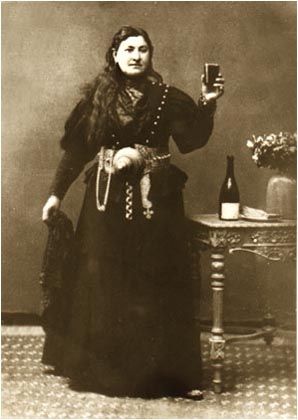
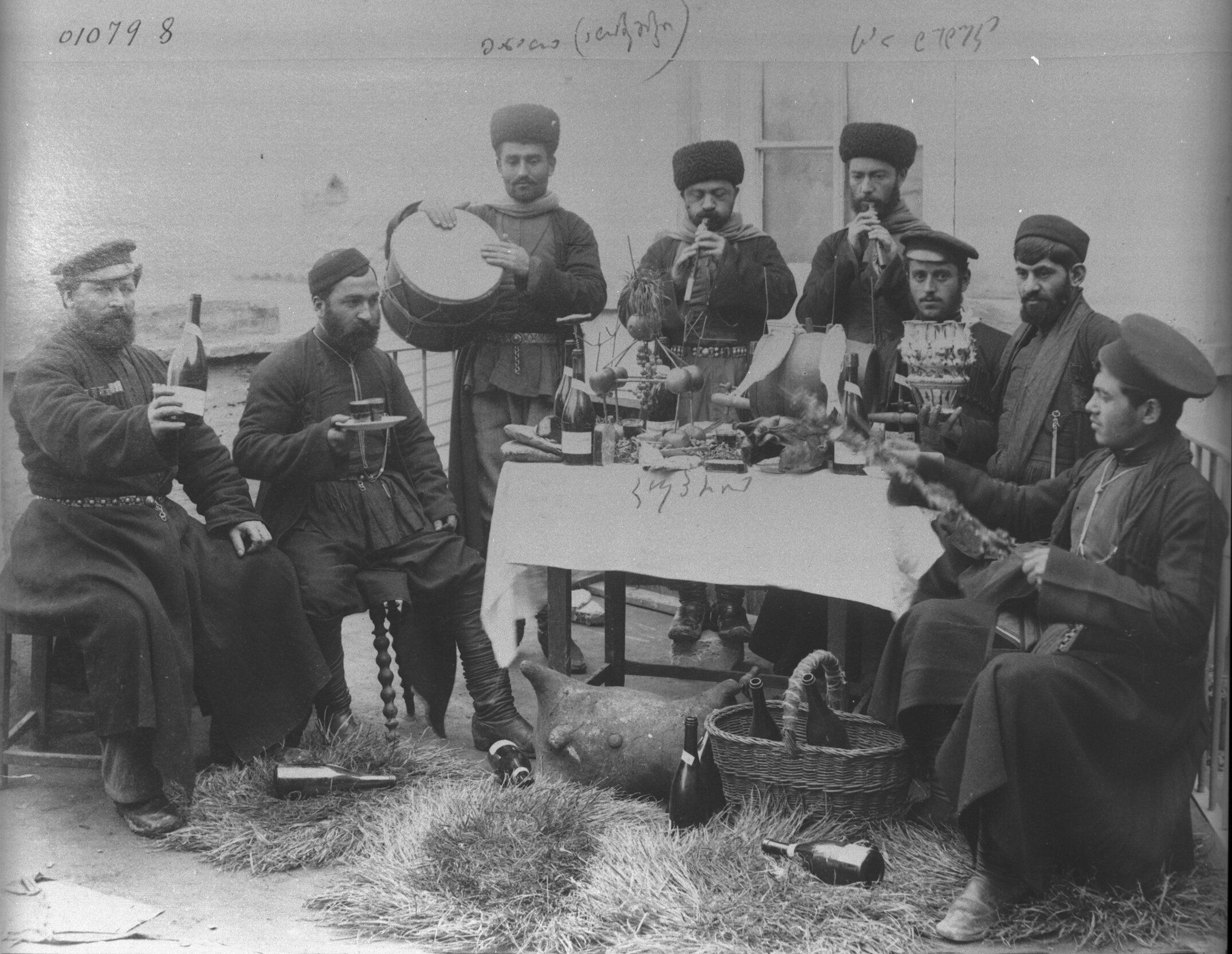
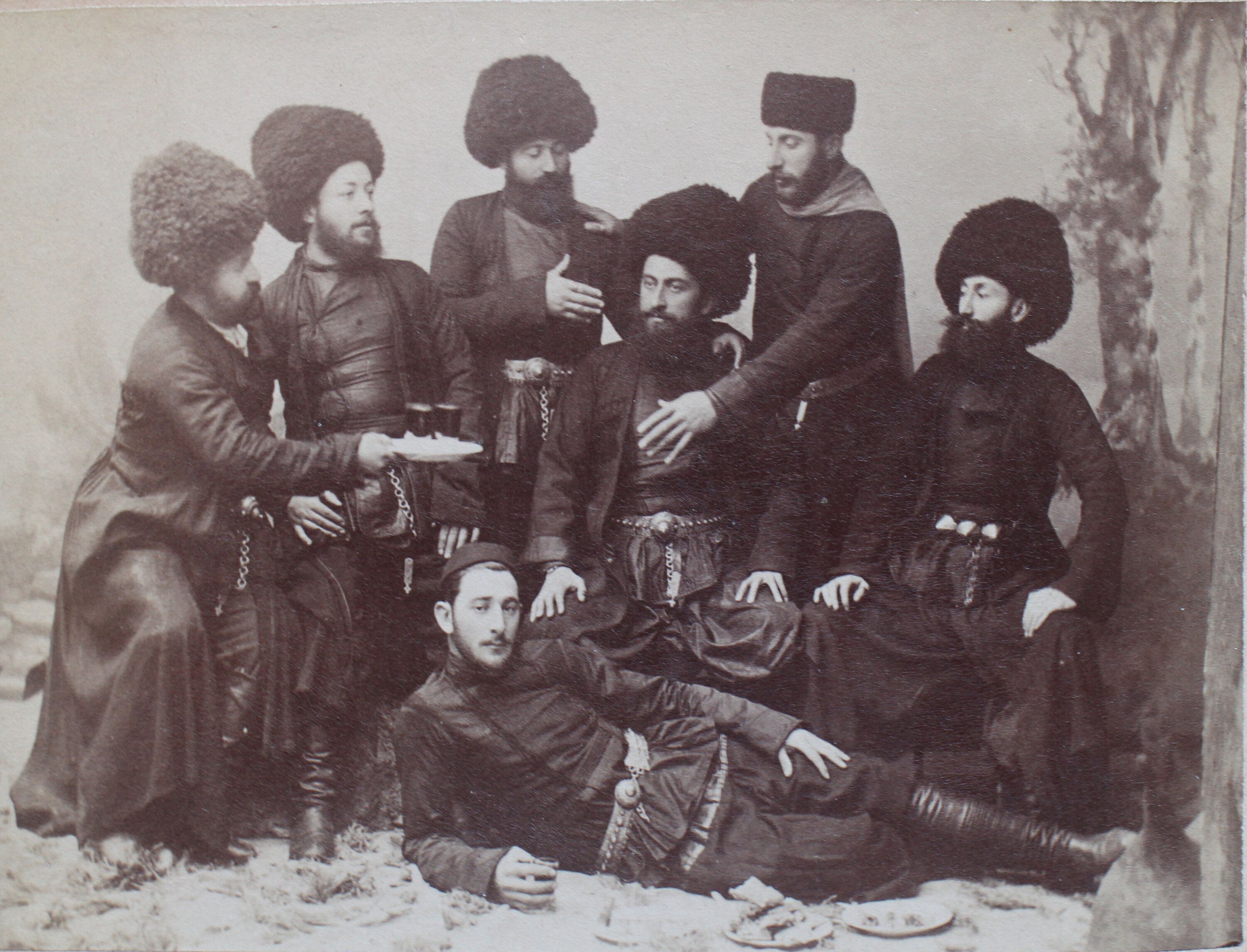
This project gathers photographic representations of Kharachokhlebi from different studios and periods of the 19th and early 20th centuries. The images reveal how clothing, posture, gesture, and studio staging contributed to constructing an urban identity that became inseparable from the myth of Old Tbilisi.
Among the materials included are rare and unusual representations that challenge conventional expectations, inviting further reflection on how identity was performed, documented, and remembered in early photography.
Curated by: Giorgi Gersamia
Photos
Enhanced Editions Available