Golovin Prospect: The Rise of Photographic Modernity
Ateliers, Advertisements, and Urban Culture in Imperial Tiflis
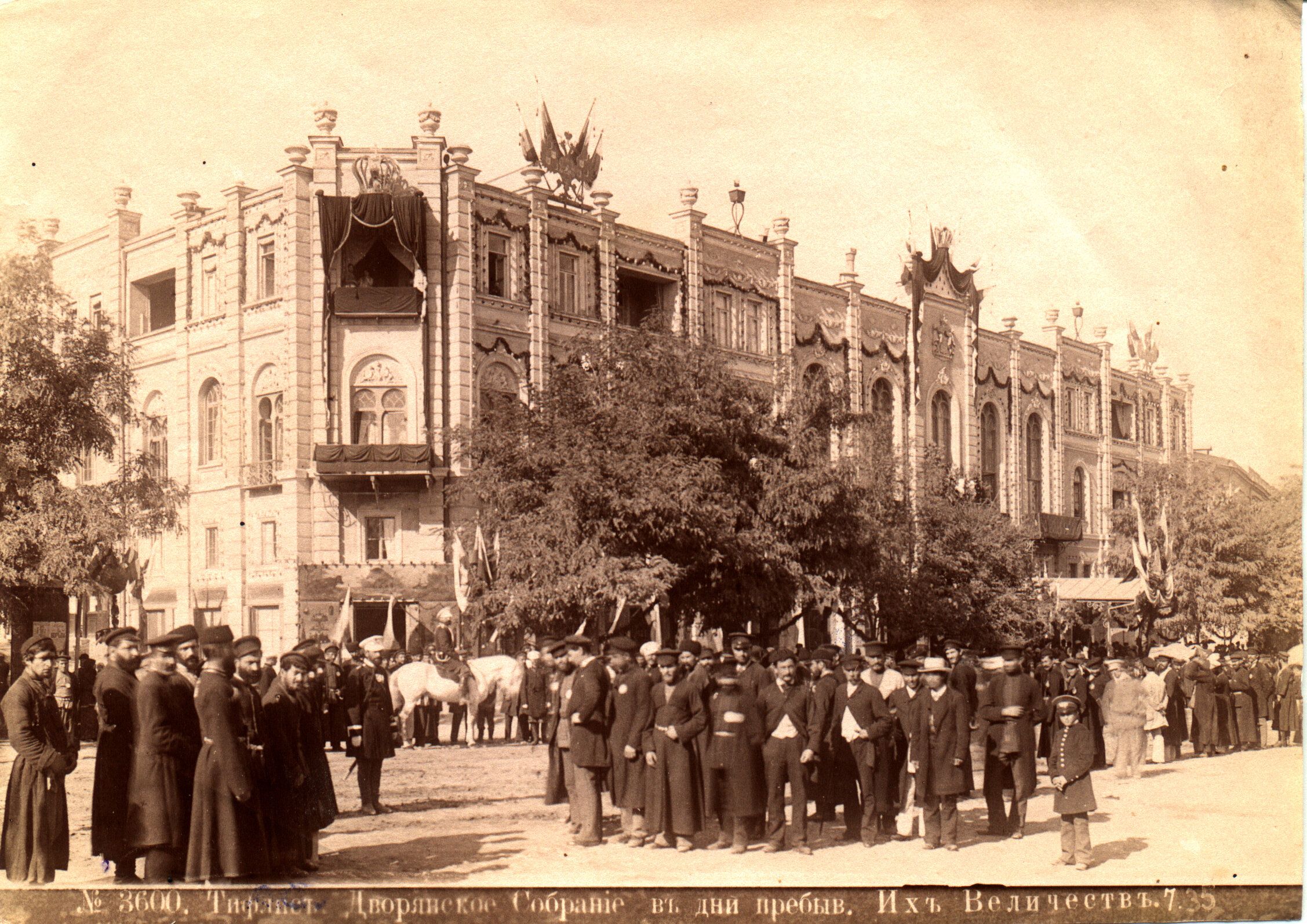
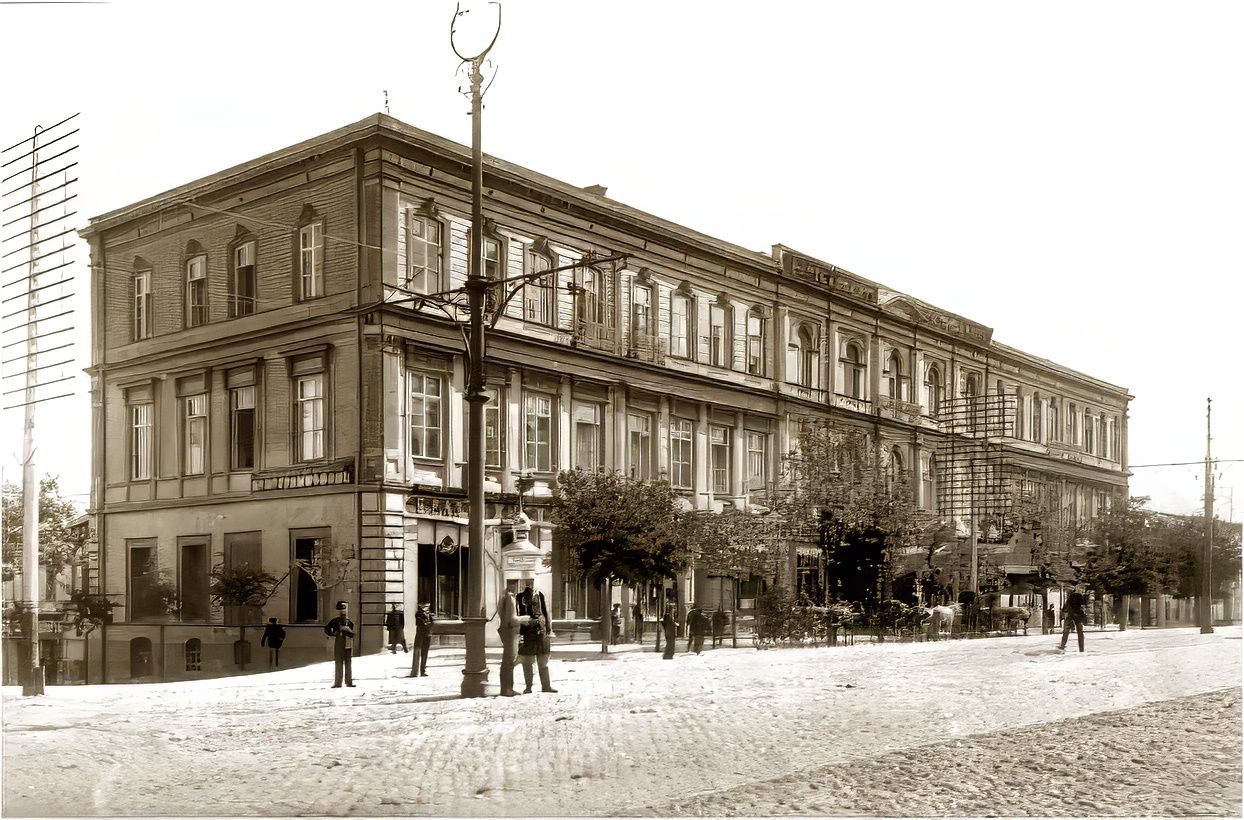
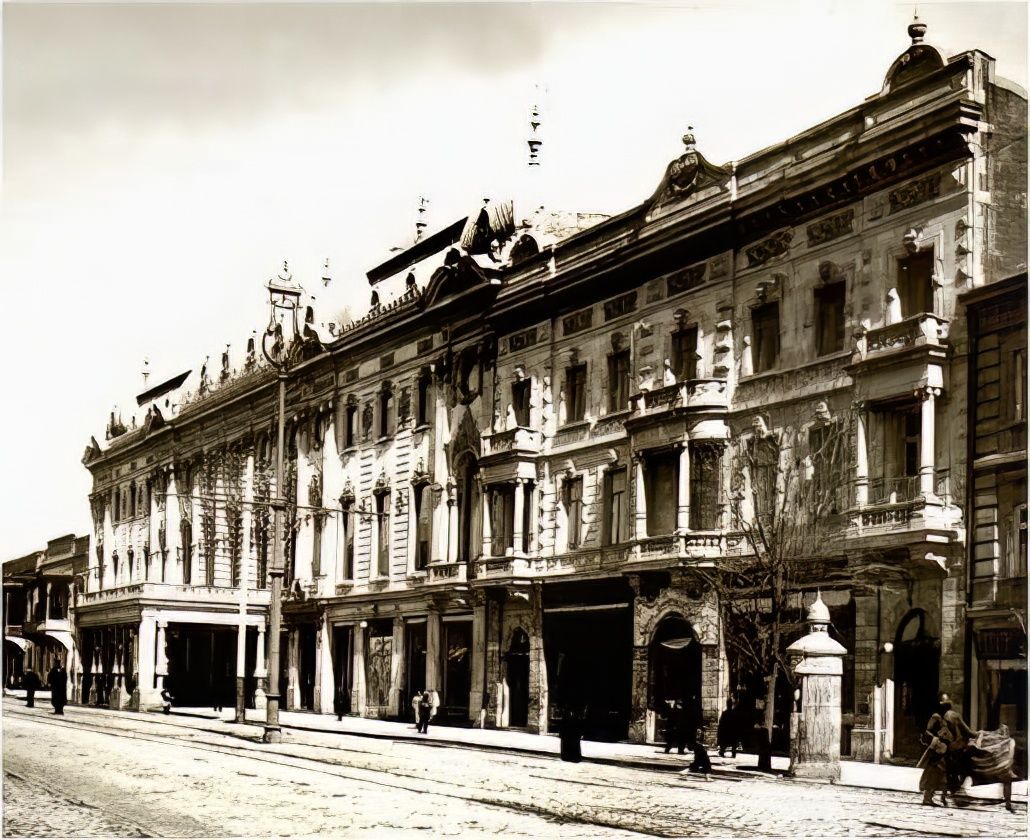
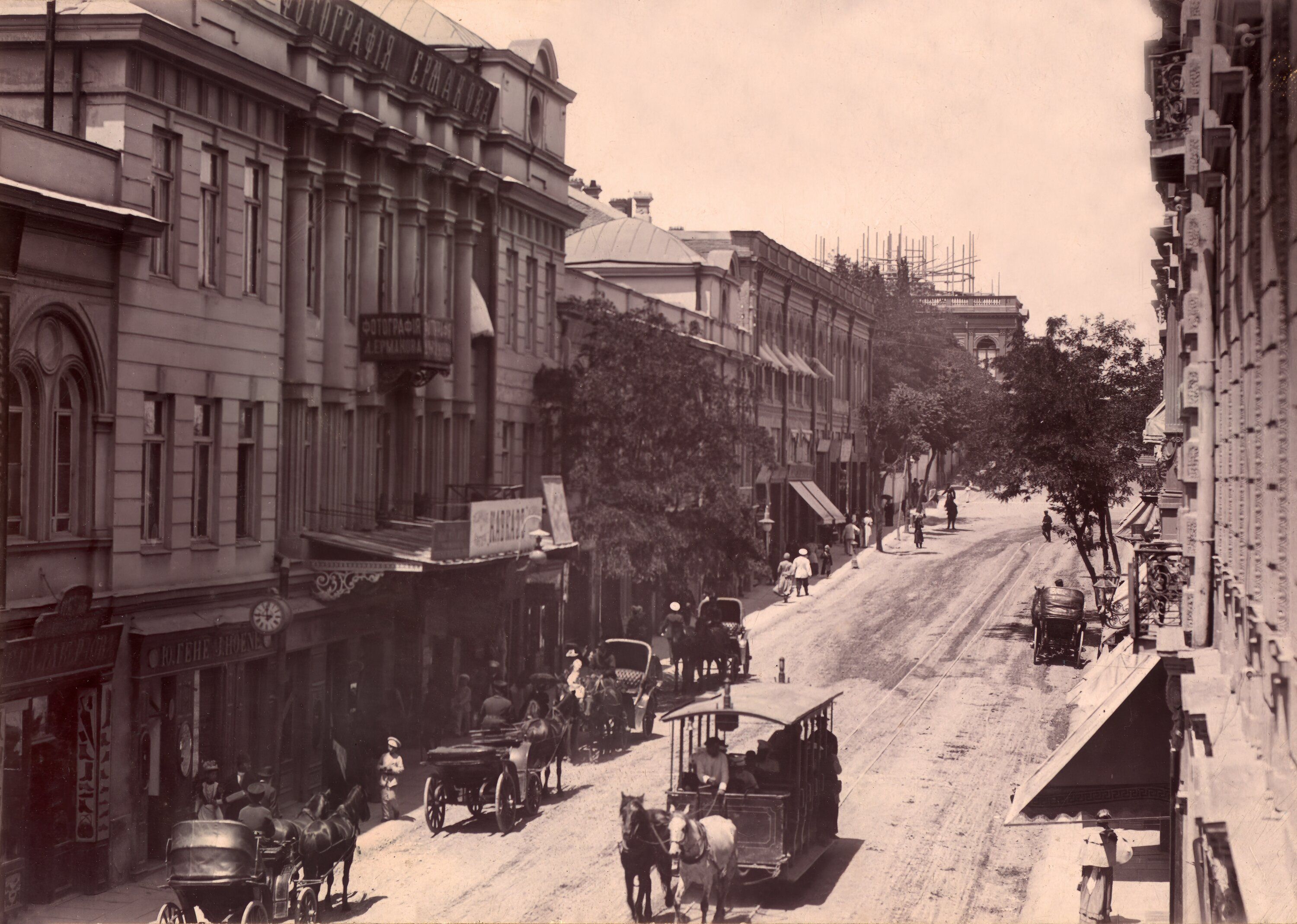
In the late 19th century, Golovin Prospect became the commercial and cultural artery of Imperial Tiflis. Along this prestigious boulevard, elegant buildings housed photographic ateliers whose windows displayed portraits of officers, aristocrats, merchants, and families eager to participate in a new visual age.
This project explores how one street became the center of photographic modernity in Georgia. The studios located on Golovin Prospect were more than places of image-making — they were spaces where identity, status, and aspiration were staged and preserved. Within their interiors, citizens encountered modern technology, theatrical backdrops, refined props, and the promise of social representation through photography.
Newspaper advertisements reveal another dimension of this transformation. Early masters of photography competed through bold announcements, claims of technical excellence, artistic superiority, and international training. They promoted enlarged portraits, retouching services, fashionable formats, and awards — positioning photography not merely as documentation, but as luxury, art, and social necessity.
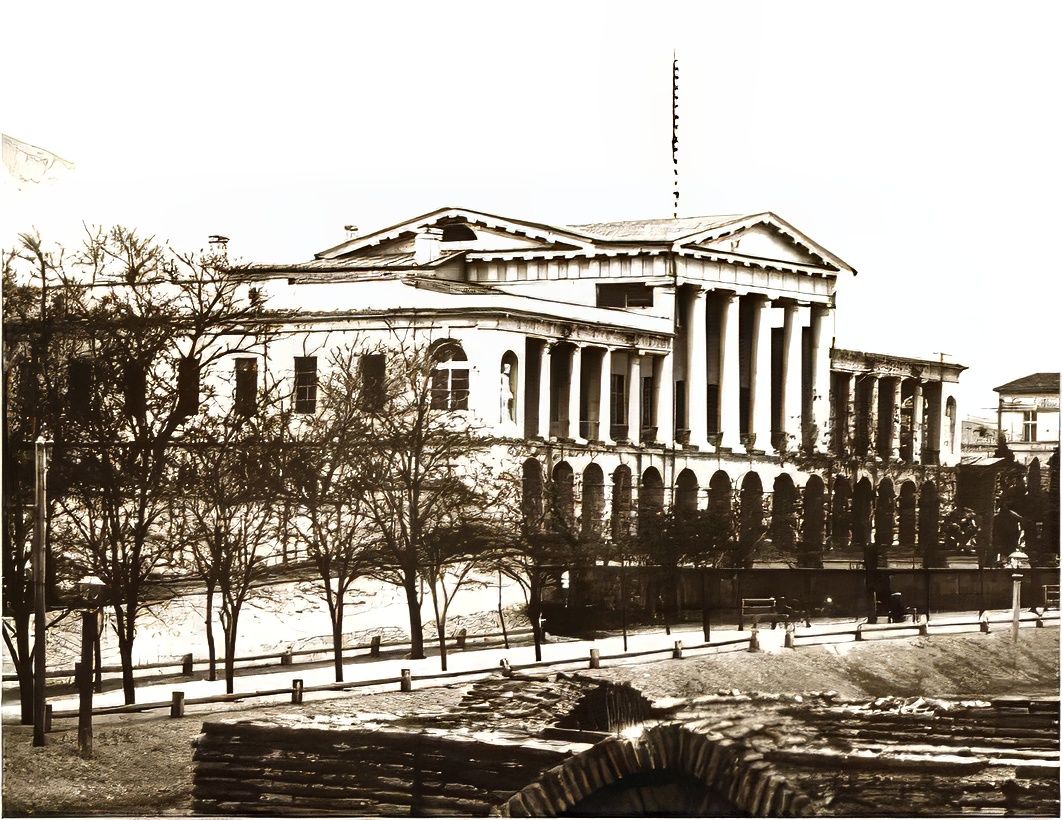
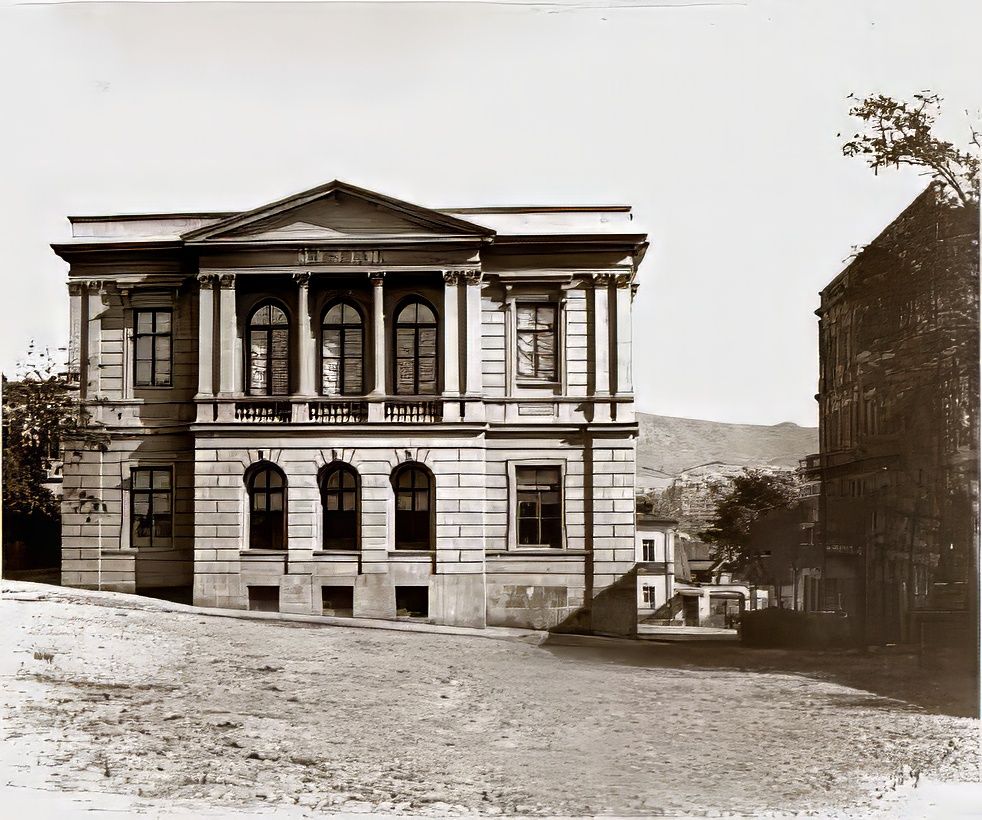
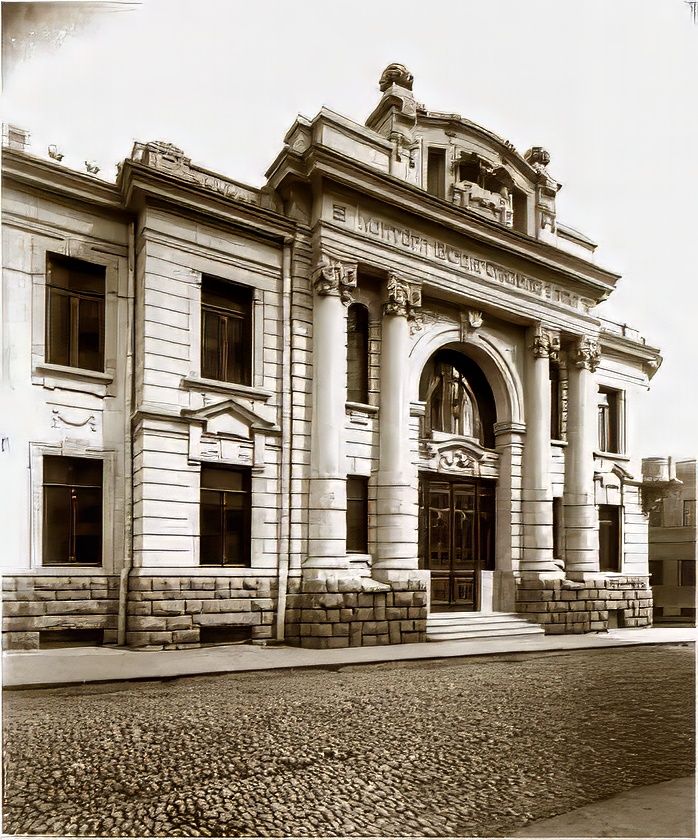
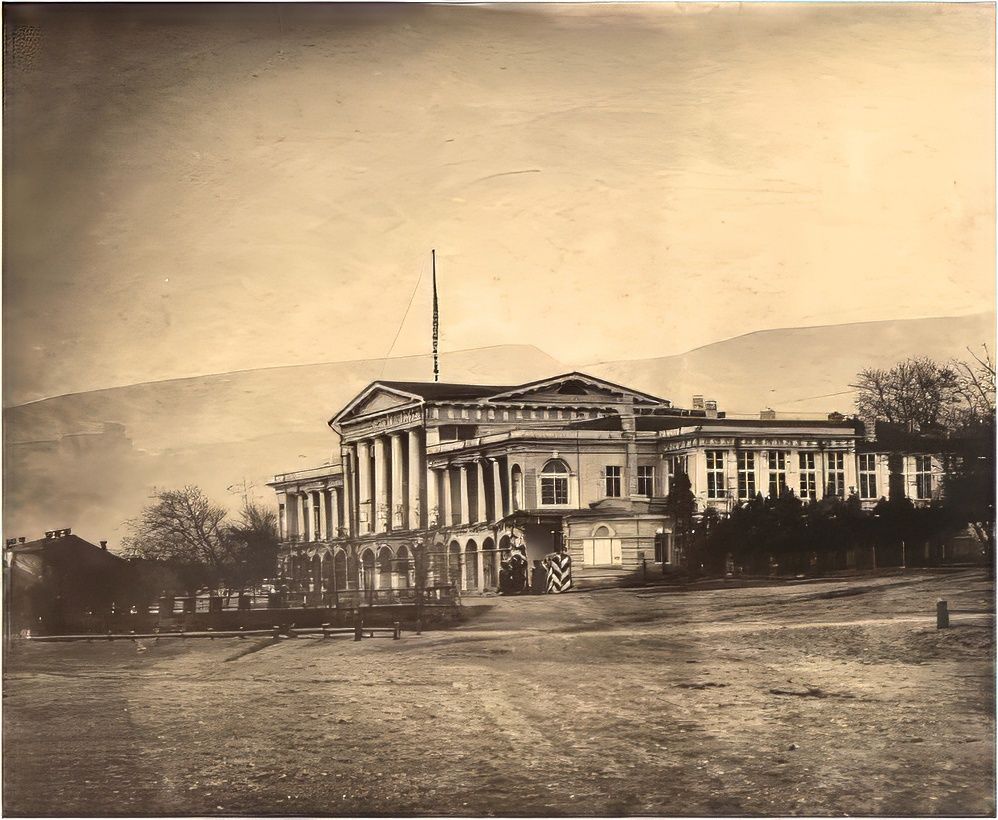
Through architectural views of ateliers, printed advertisements, and surviving studio portraits, this project reconstructs the ecosystem of an emerging profession. Golovin Prospect becomes a lens through which we witness the intersection of commerce, technology, urban expansion, and self-representation.
On this street, modern Georgia began to photograph itself..
Curated by: Giorgi Gersamia
Photos
Enhanced Editions Available