Georgian Traditional Garments
Dress, Identity, and Regional Culture in Historical Photography
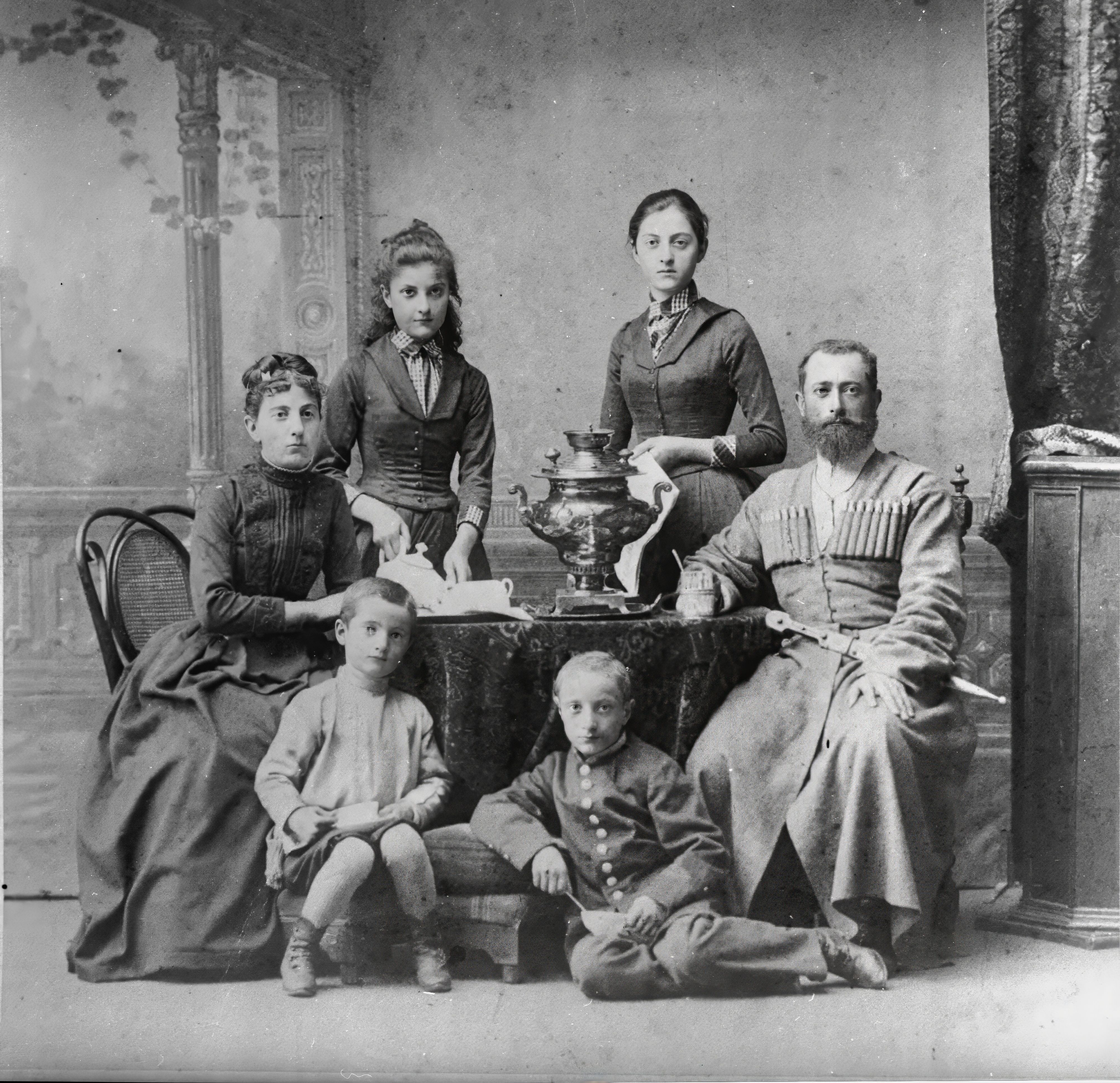
Traditional dress in Georgia has long served as a visible marker of identity, status, region, and social role. From the structured elegance of the chokha to the richly embroidered garments of mountain communities, clothing functioned not only as protection or ornament, but as a cultural language.
This project brings together historical photographs documenting traditional Georgian garments across different regions and time periods. Through studio portraits, ethnographic field photography, and family collections, we observe how dress expressed belonging — to a village, a social class, a faith, or a historical era.
The garments reveal distinctions between:
Mountain and lowland communities
Urban and rural populations
Ceremonial and everyday attire
Male and female dress codes
Military, noble, and civilian identities
Photography played a critical role in preserving these visual traditions. As modernization and urbanization transformed society, images of traditional attire became both documentation and symbol — recording cultural continuity while also shaping national imagination.
This collection invites viewers to look closely at textiles, tailoring, accessories, and posture — to see clothing not as costume, but as lived history.