Vladimer Barkanov
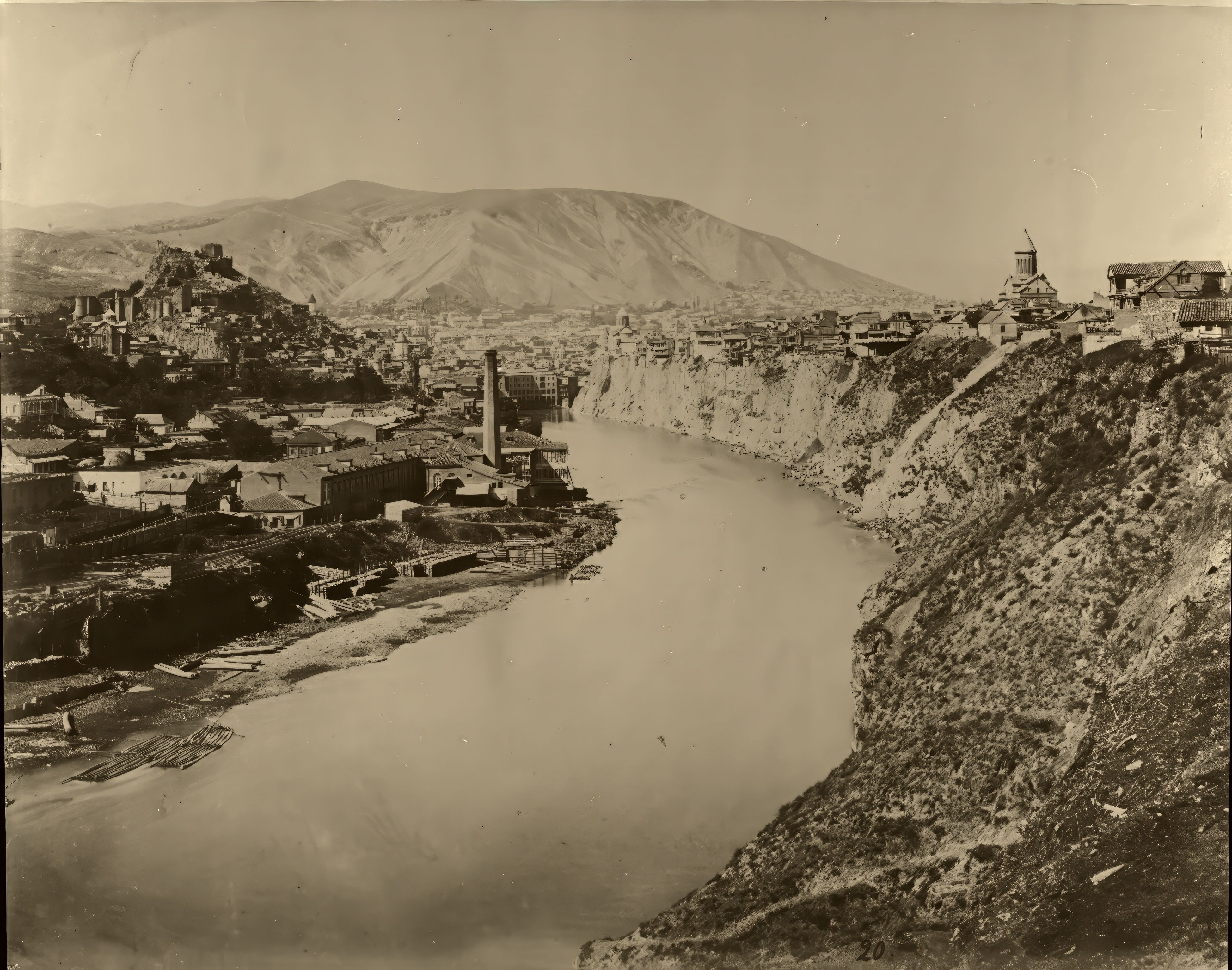
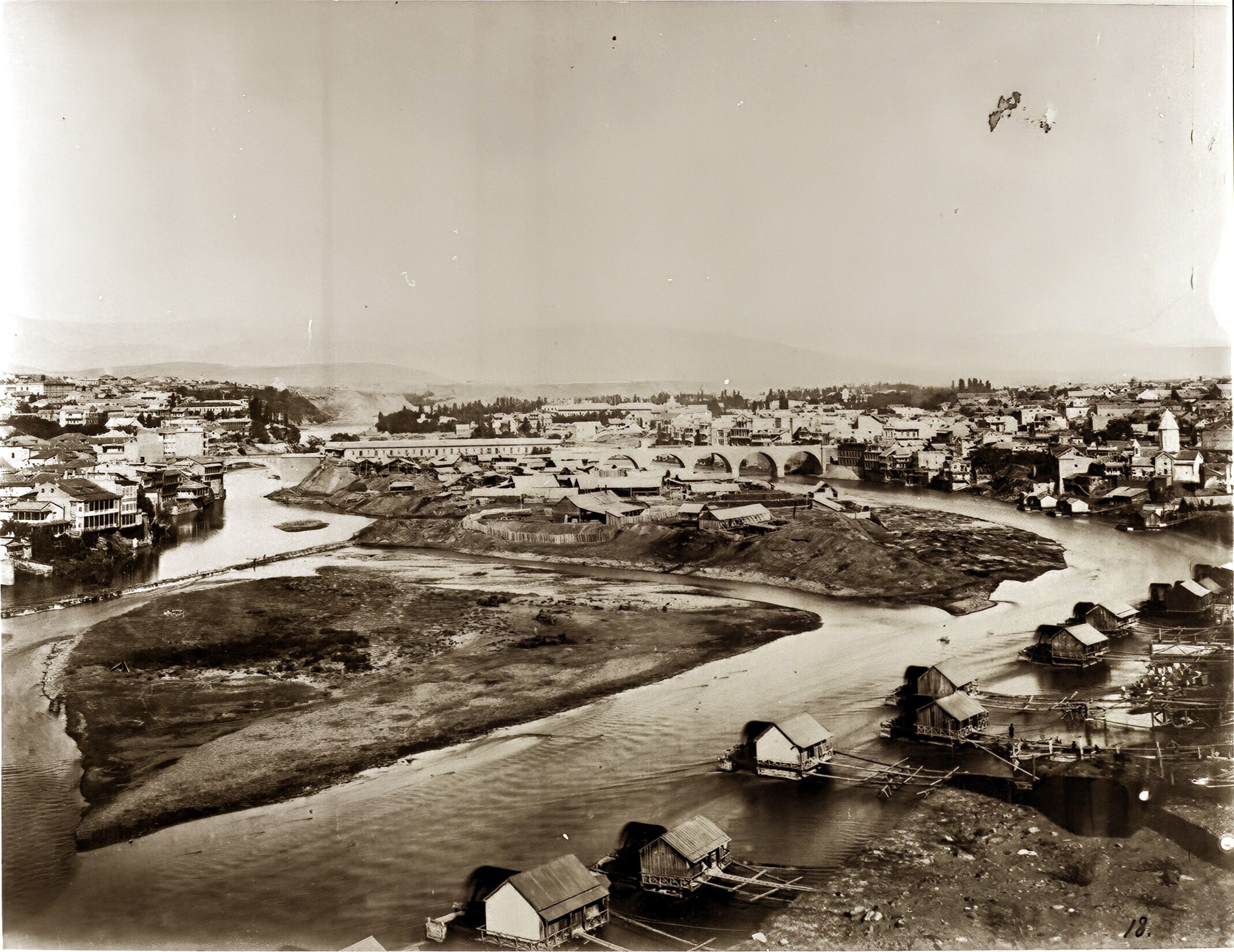
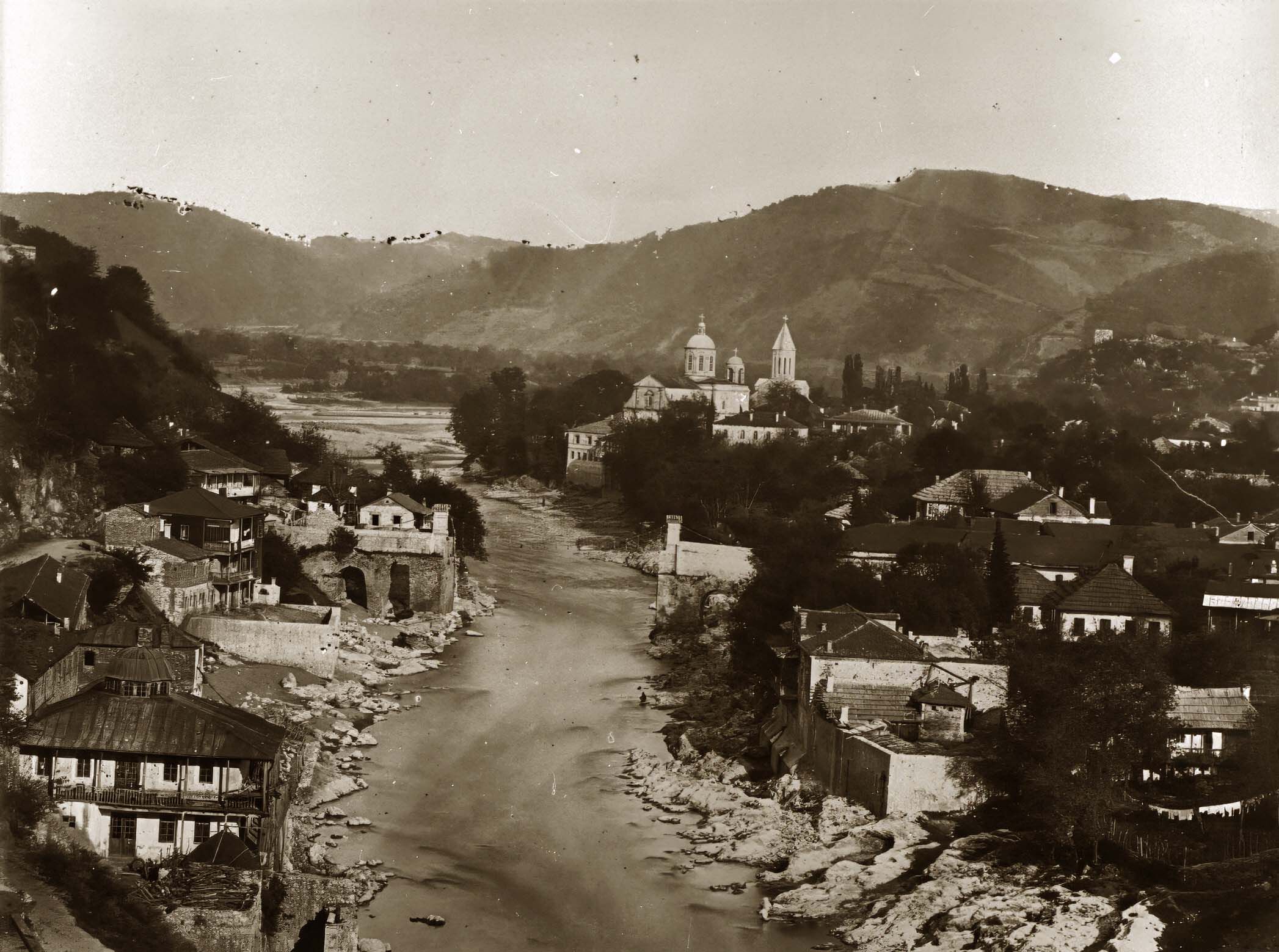
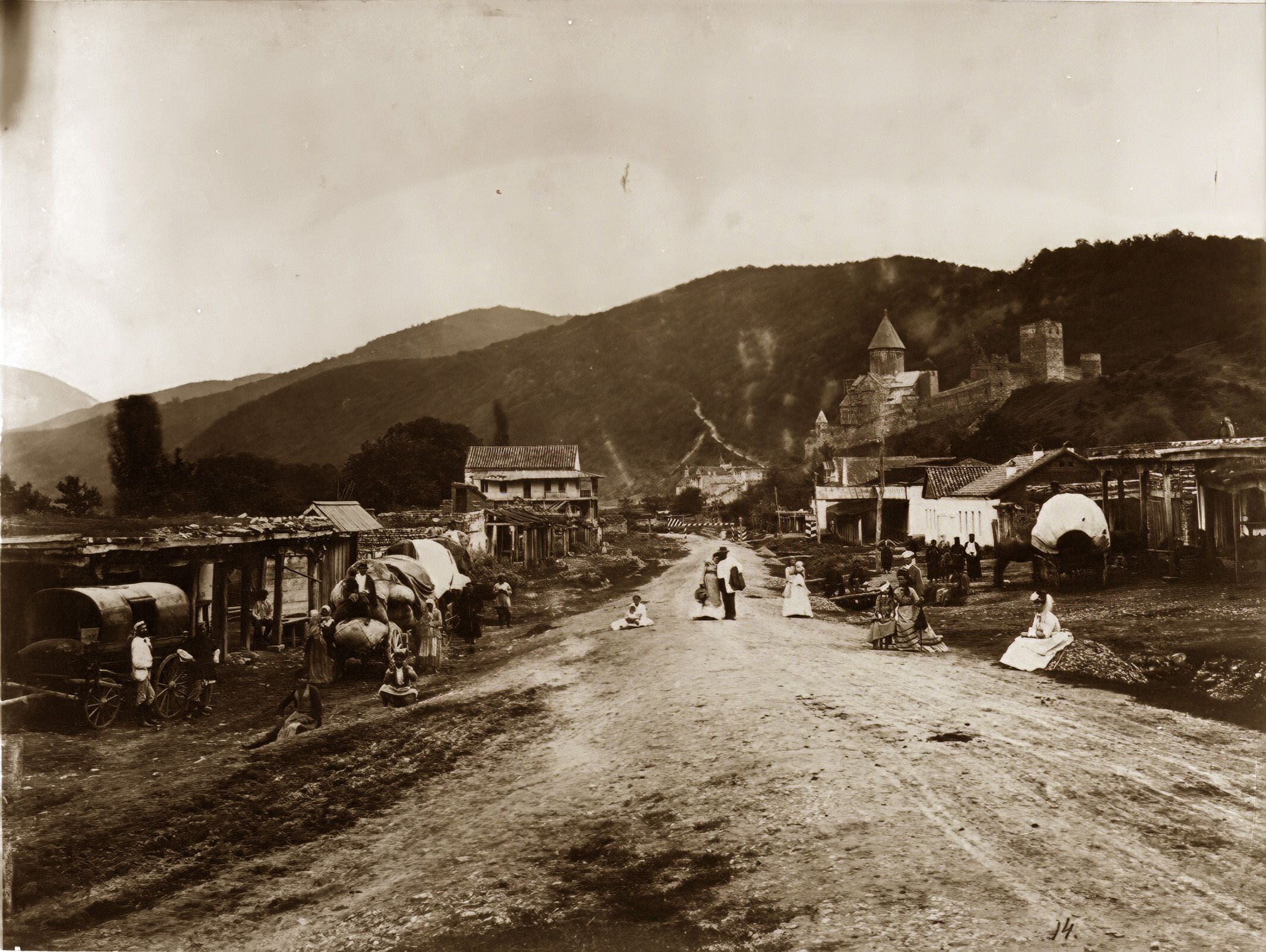
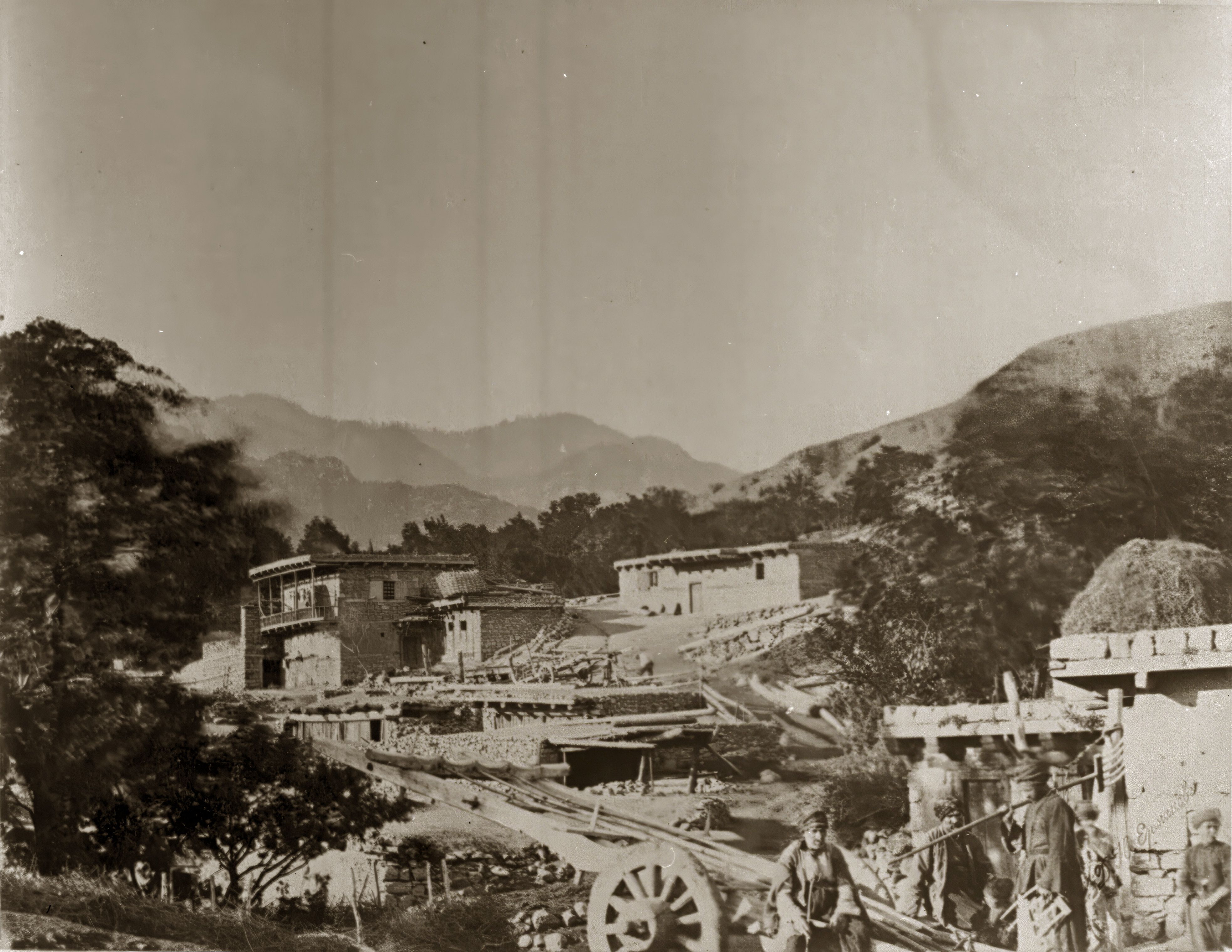
Vladimir Barkanov (c. 1834–1892) was one of the most significant early photographers working in the Caucasus during the second half of the 19th century. Active initially in Kutaisi and later in Tiflis (Tbilisi), he documented urban landscapes, regional architecture, ethnographic scenes, and major historical events of his time.
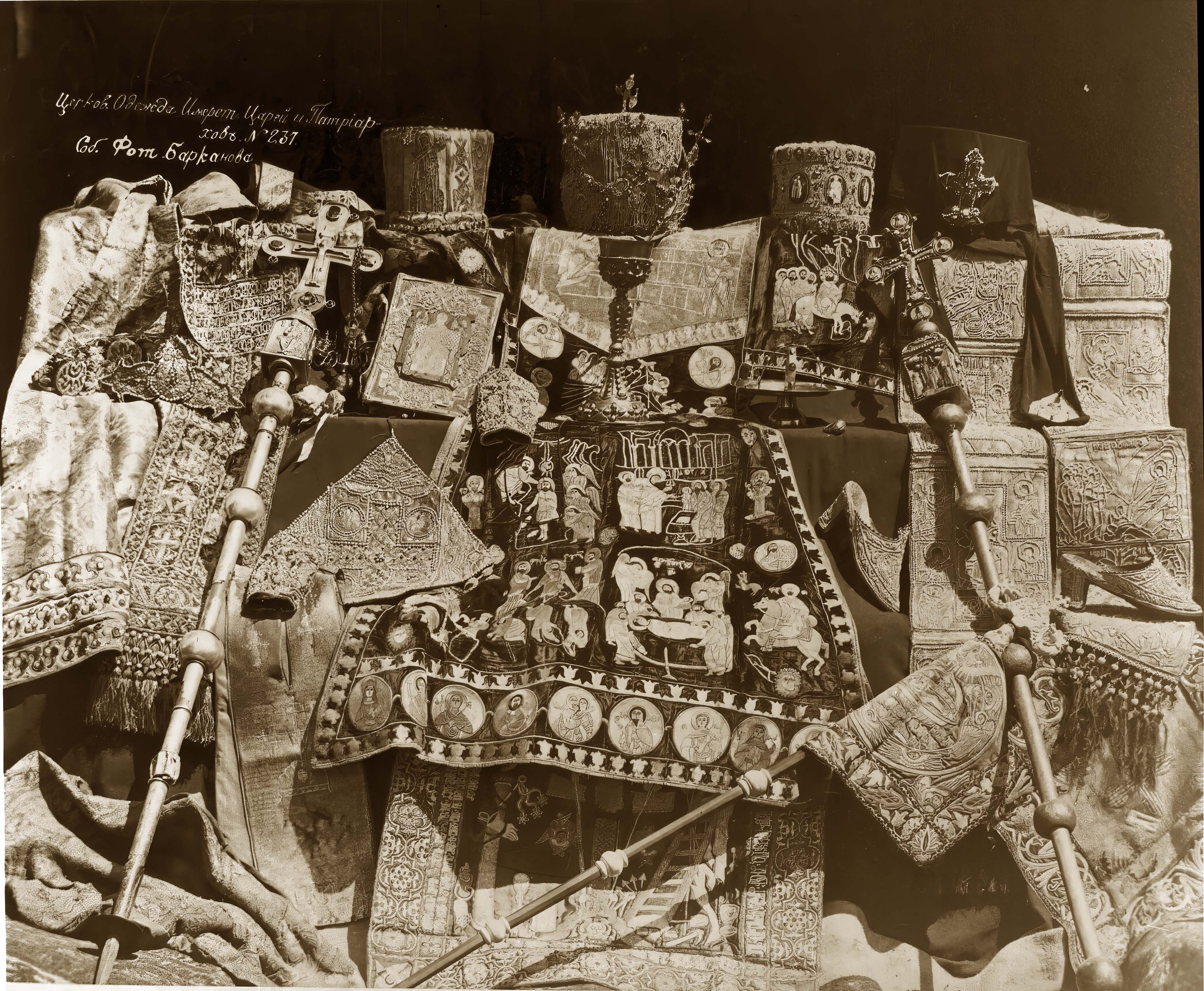
Between 1870 and 1875, Barkanov was a member of the French Society of Photography and was listed as a photographer from Kutaisi. In 1872 he participated in the Polytechnic Exhibition in Moscow, sending 163 photographs depicting views of the Caucasus and a photographic series of ancient Georgian Old Testament manuscripts preserved in Gelati Monastery. In 1873 he exhibited at the Vienna World Exhibition, where he received a Certificate of Merit.
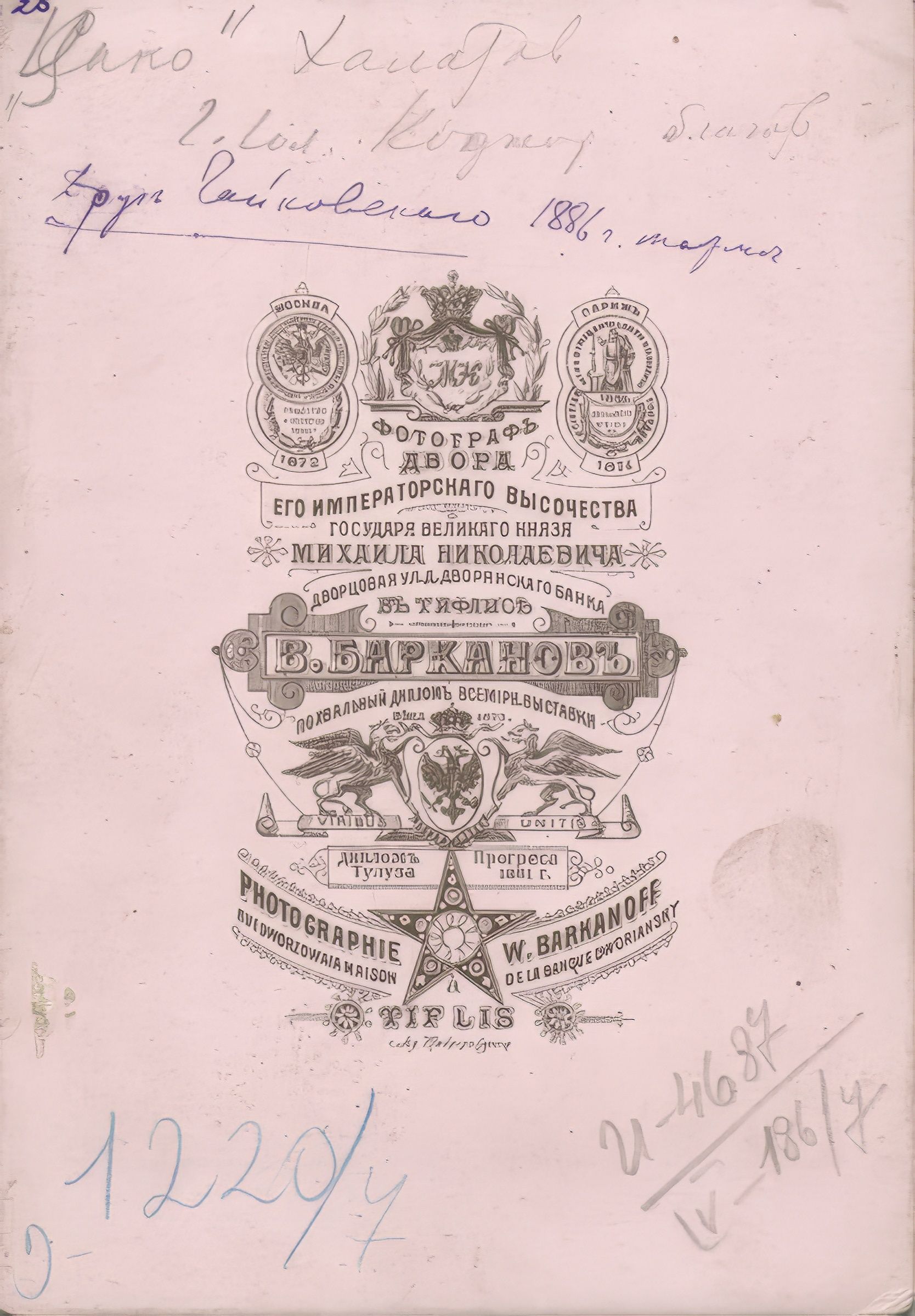
In the same year he relocated to Tiflis and opened a modern photographic studio on Erivansky Square, equipped with contemporary European photographic equipment. His studio offered portrait services, including hand-coloring by professional painters using oil, watercolor, or aniline pigments.
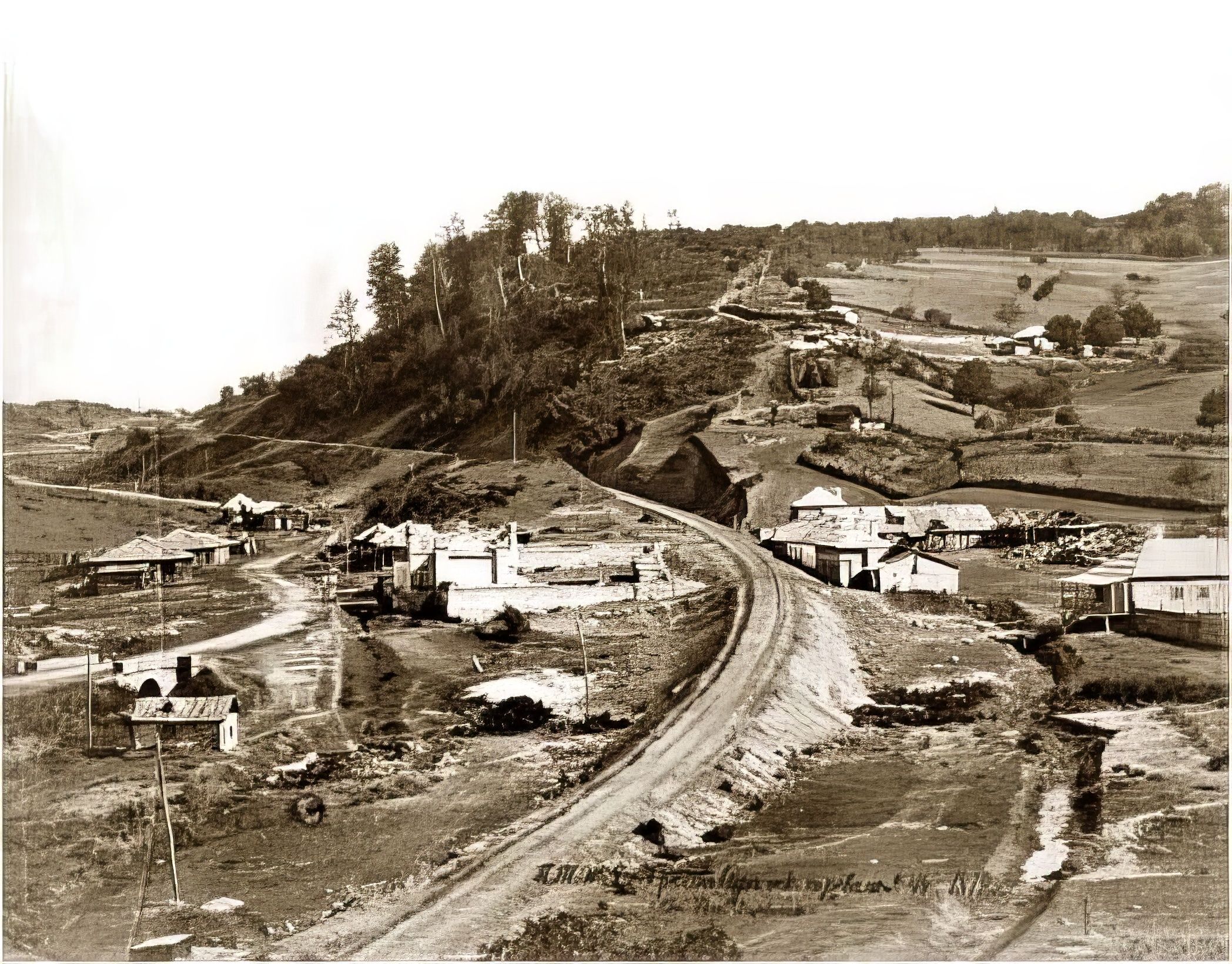
During the Russo-Turkish War (1877–1878), Barkanov served as a military correspondent on the Caucasus front. His work reflects both documentary precision and refined compositional control, particularly visible in his landscape and architectural photography.
Barkanov died in Tehran in 1892. His surviving works are preserved in major Georgian collections, including the Literary Museum in Tbilisi.
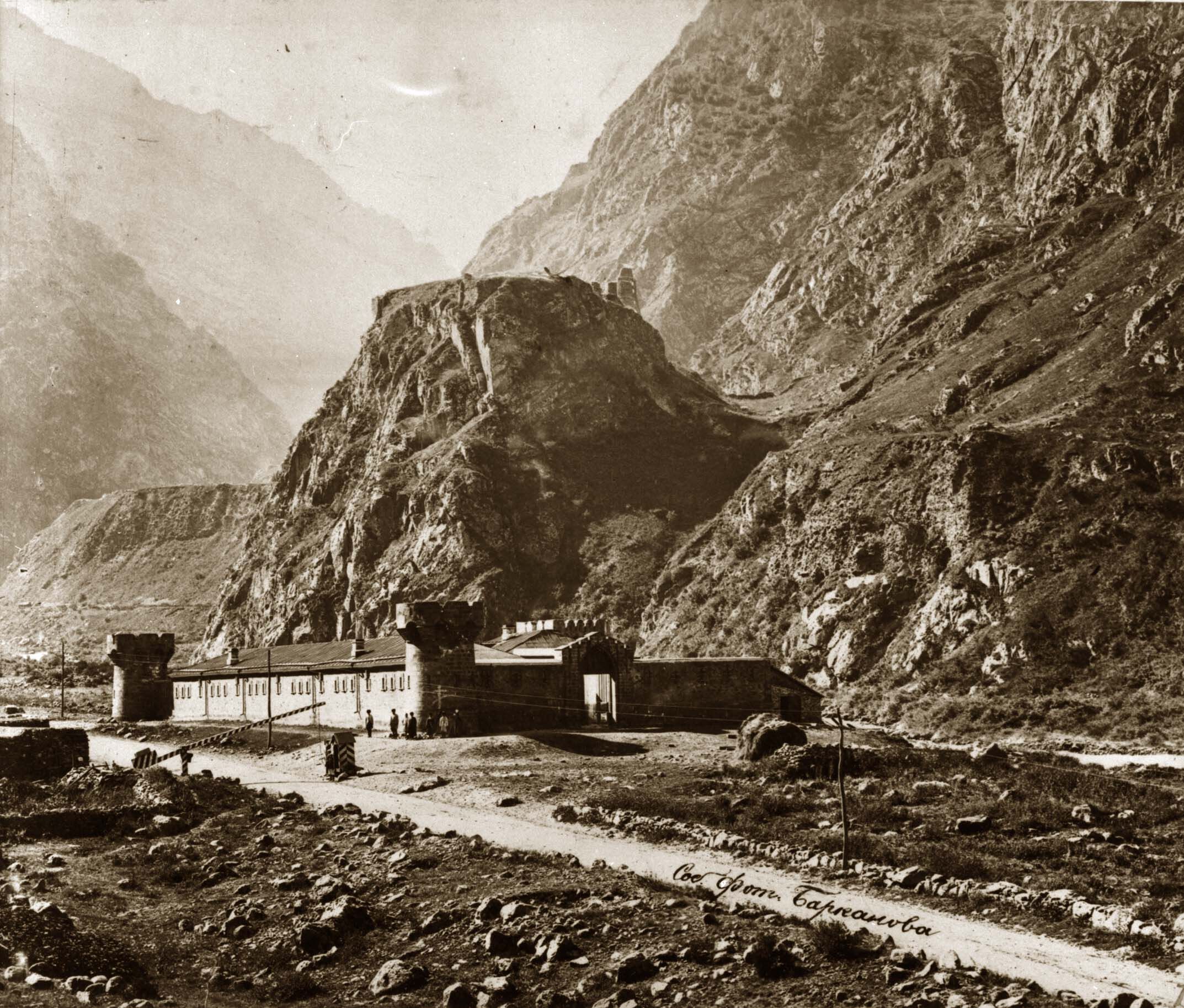
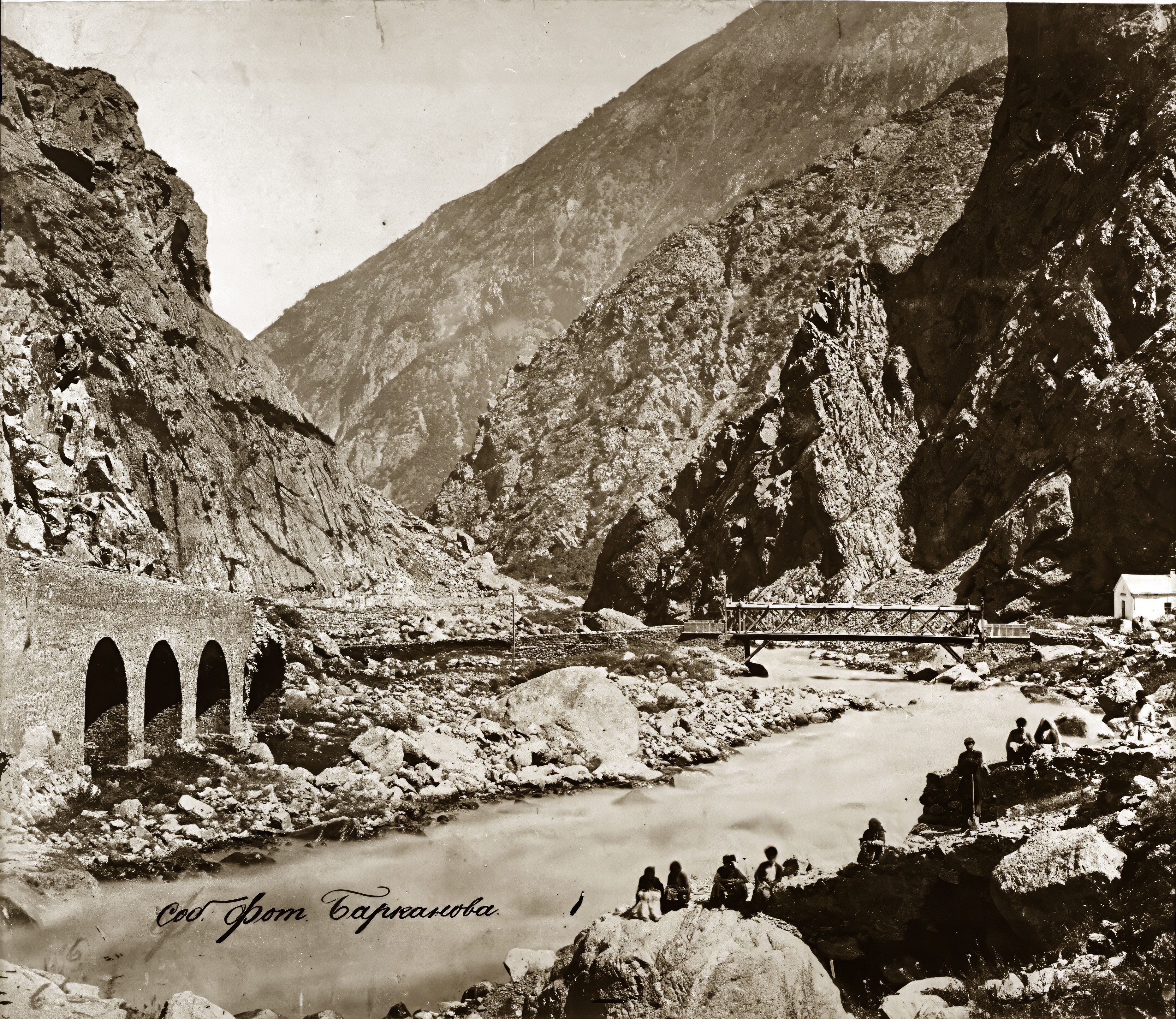
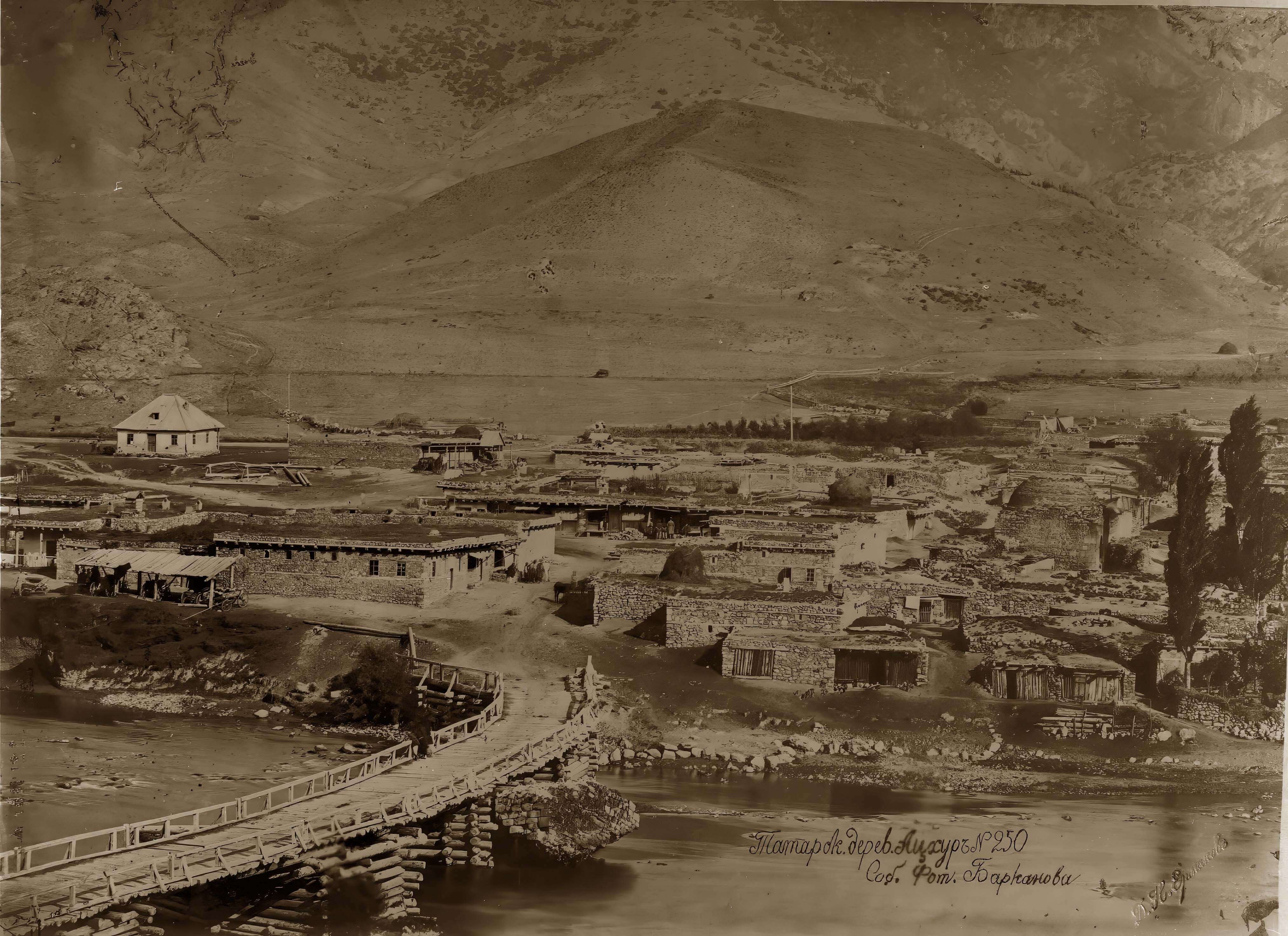
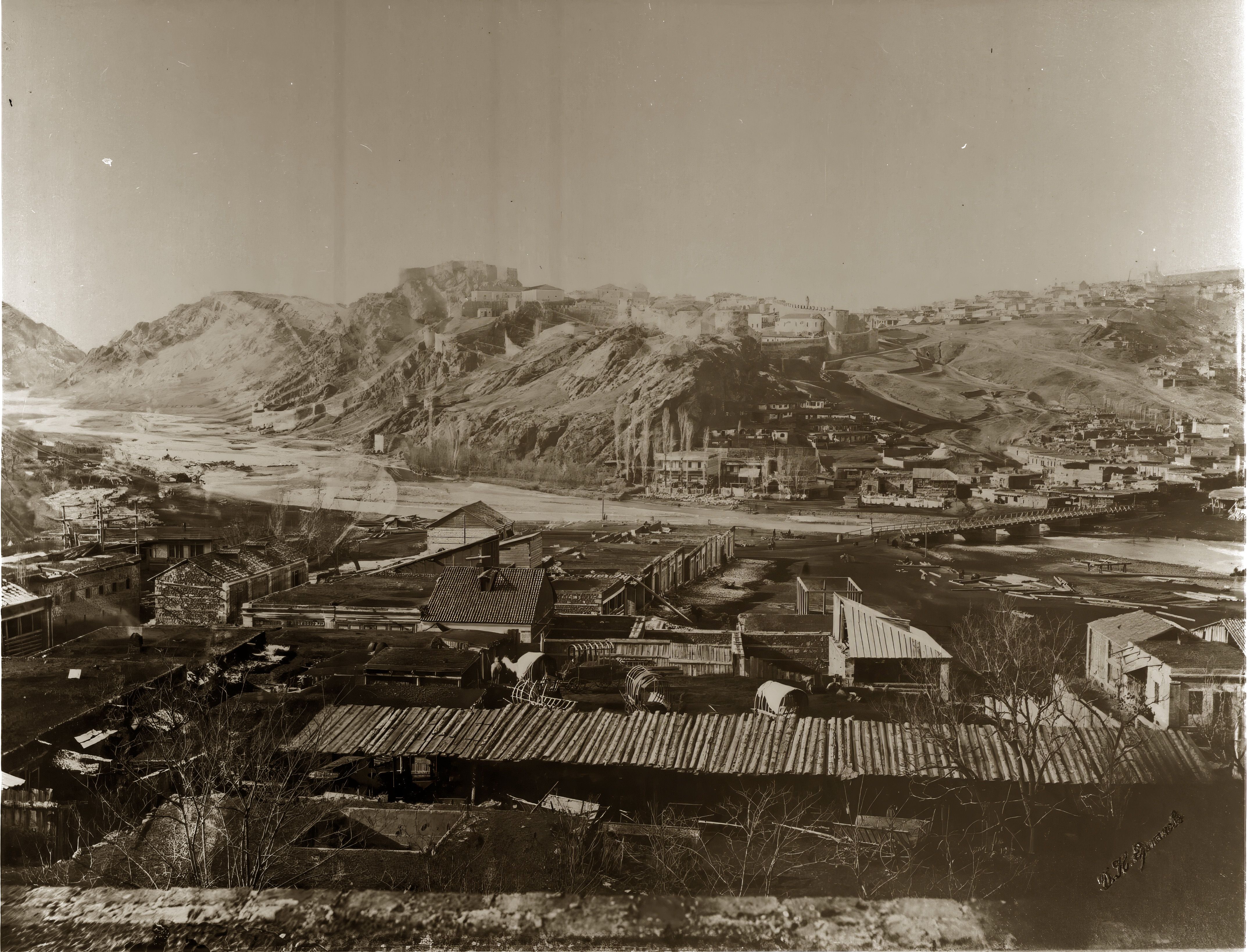
This collection presents a curated selection of Barkanov’s photographs documenting 19th-century Georgia and the broader Caucasus region.
Curated by: Giorgi Gersamia