Featured Portraits
The tradition of portraiture in Georgia dates back to the 18th century, when commissioned portraits were primarily created for representatives of the high nobility and secular and ecclesiastical elites. By the mid-19th century, merchants and civil officials also became active patrons.
The introduction of daguerreotypes in the 1840s by photographers such as Verner, Tashere, Gaupt, and Alexandrovsky, along with the rapid spread of photographic studios, led to a decline in demand for painted portraits. Many portrait painters adapted by collaborating with photographers as retouchers, coloring photographs, or producing painted portraits based on photographic images. The renowned portrait painter Hakob Hovnatanyan, often referred to as the “Georgian Raphael,” left Tiflis for Persia, stating that the spread of photography made it increasingly difficult to earn a living as a painter.
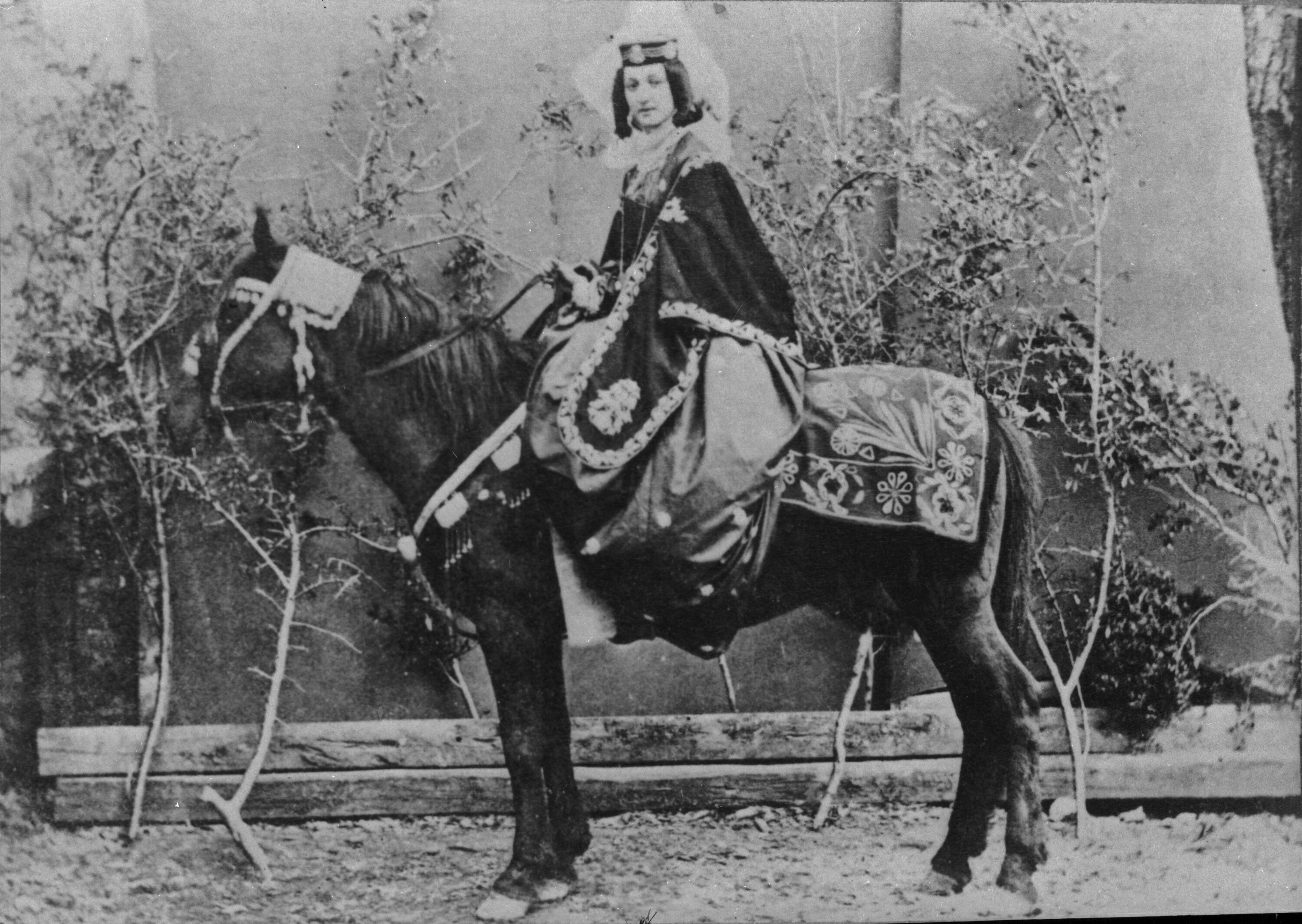
Portrait photography soon became a profitable and fashionable practice. Exchanging photographs grew popular, and numerous studios operated successfully in Tiflis, Kutaisi, and other towns. Technical advancements reduced exposure times and improved lenses, allowing photographers to achieve high artistic quality through soft lighting, carefully selected backgrounds, and expressive poses.
As a result, Georgian photographers created a vast and diverse body of portrait photographs depicting public figures, writers, artists, and representatives of various social groups.
Curated by: Giorgi Gersamia