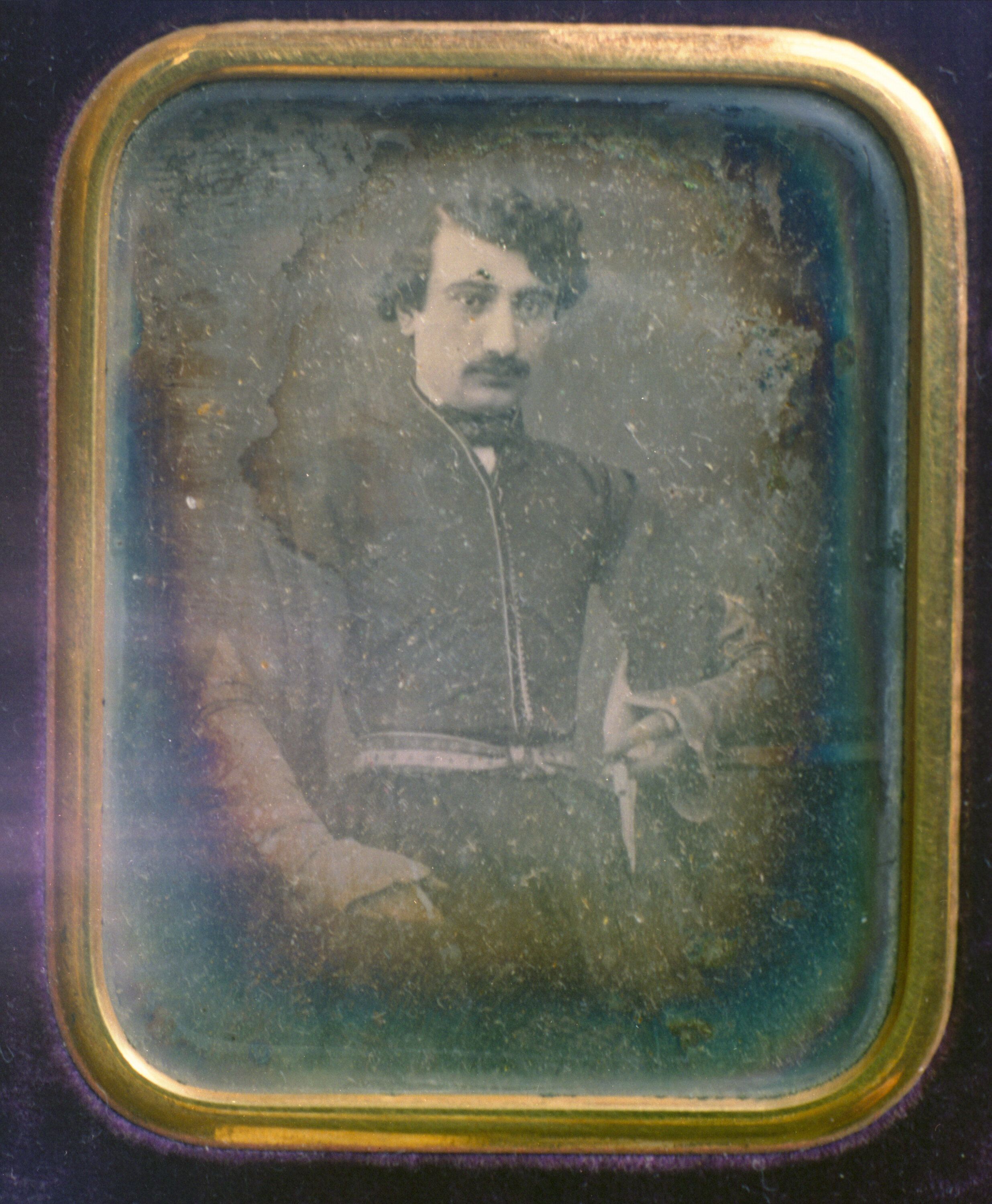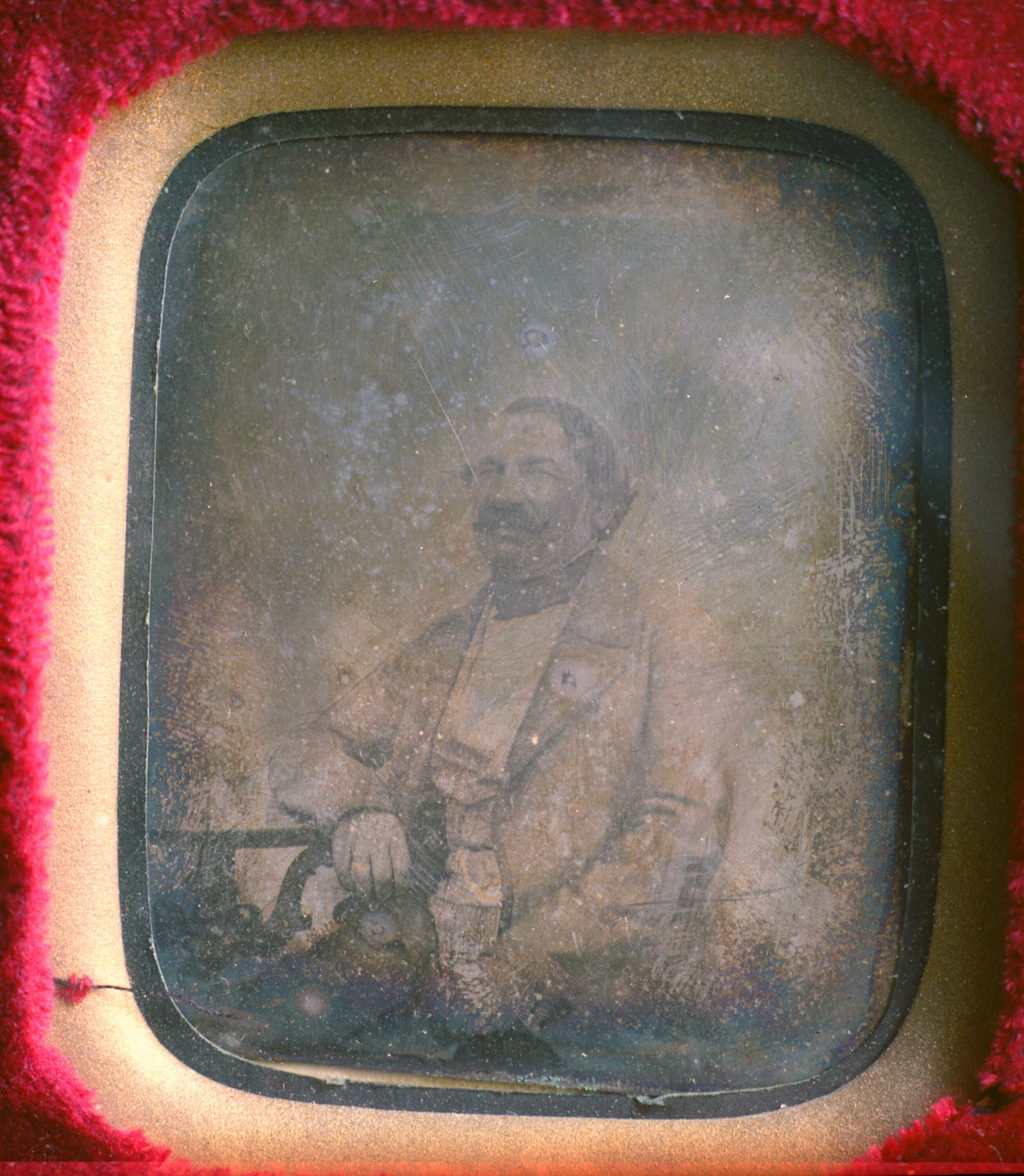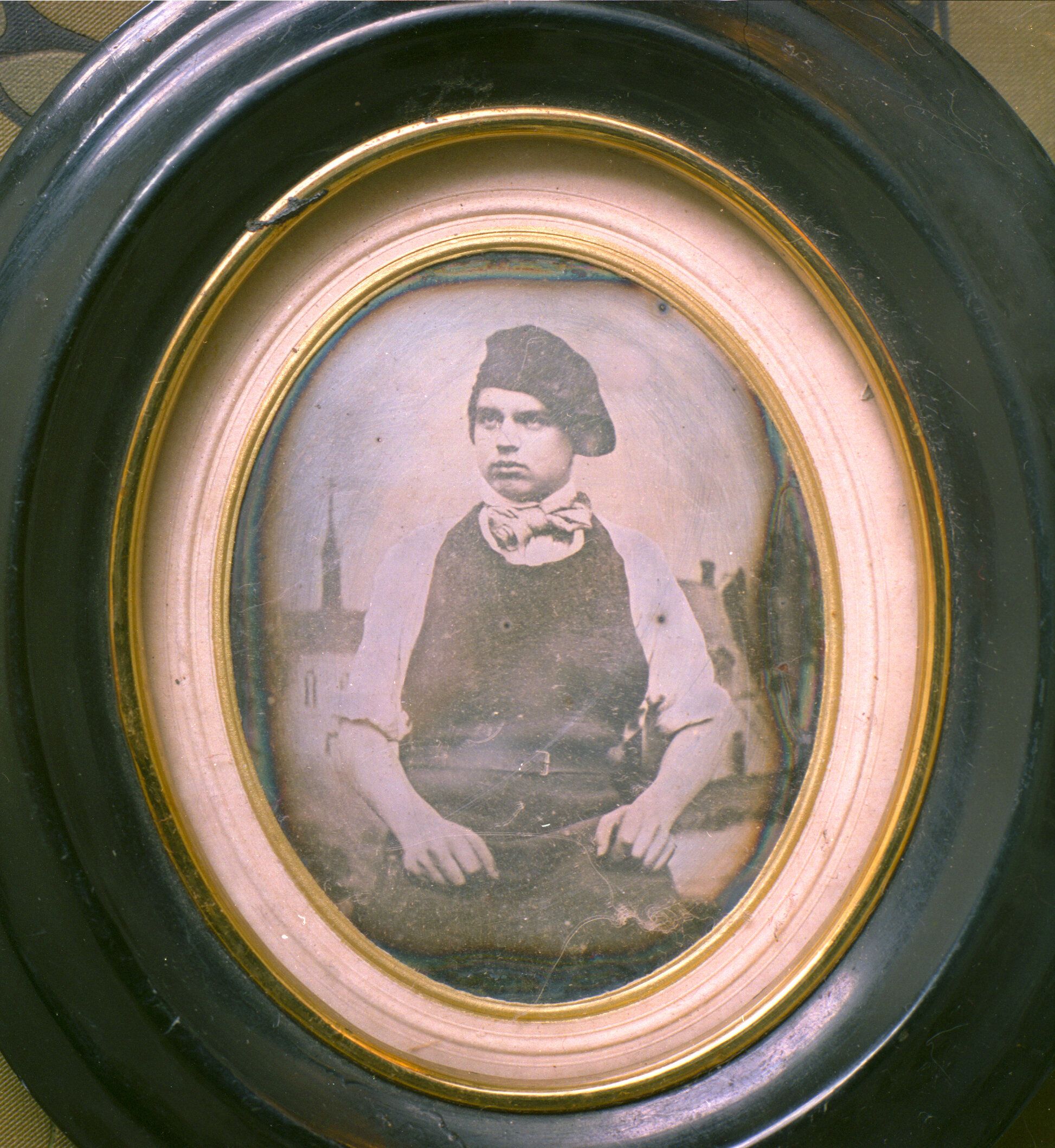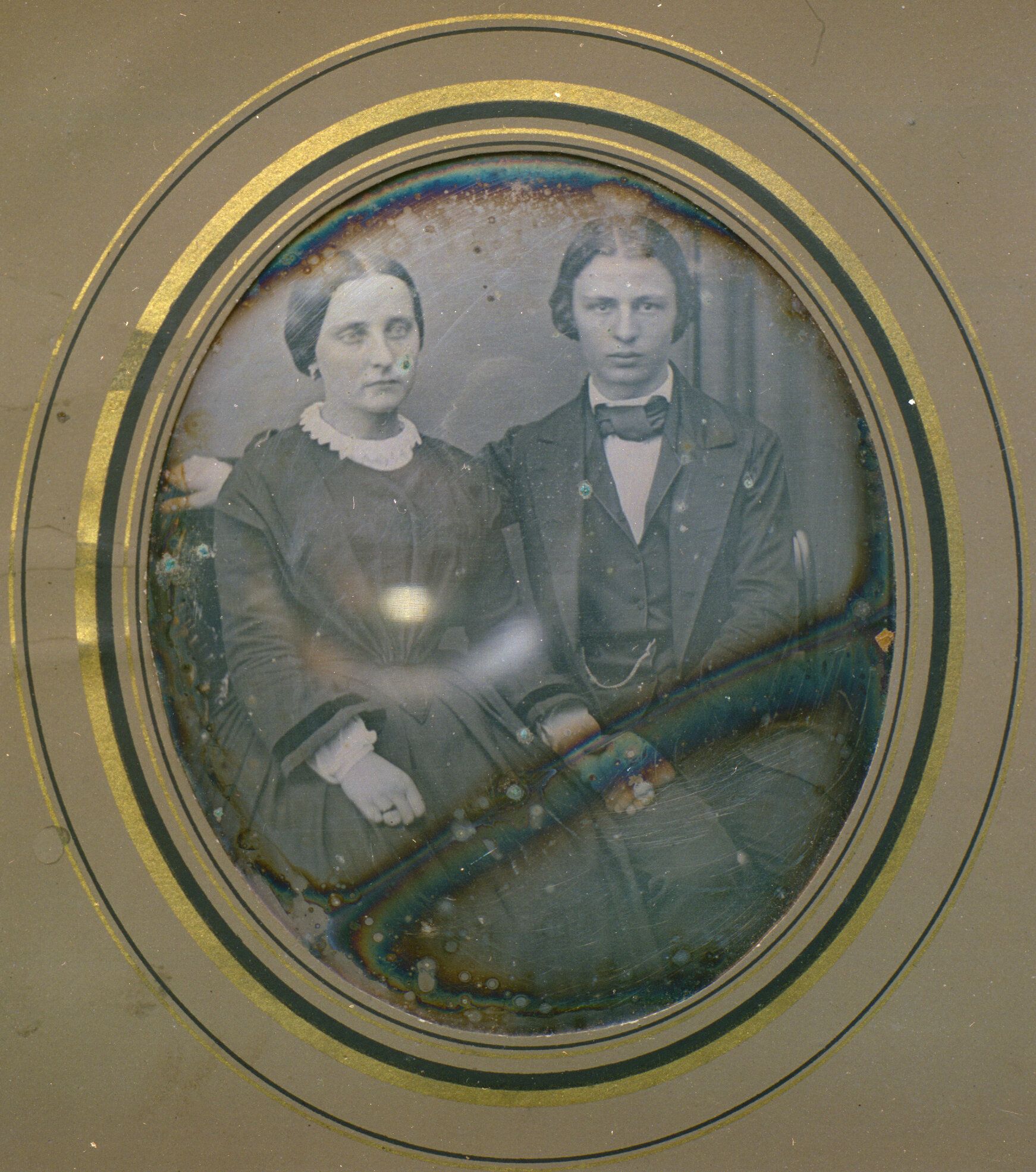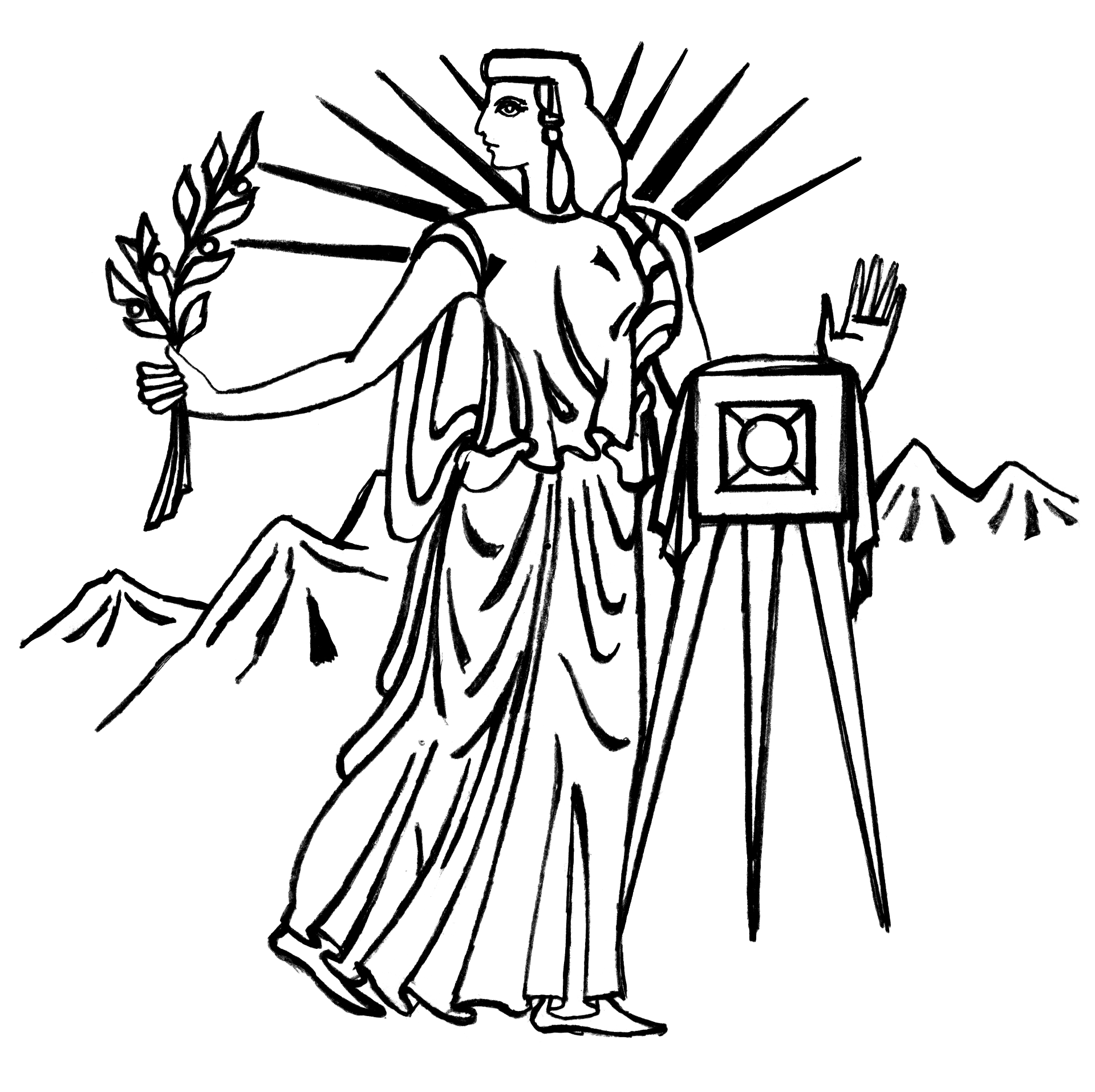
Dagerotypes
The daguerreotype, invented by the French artist Louis Daguerre, was the first practical photographic process capable of permanently fixing an image. Announced in 1839, the technique produced a single, unique image on a silver-coated copper plate using a camera obscura.
Daguerreotypes were renowned for their exceptional detail and visual clarity and played a crucial role in the early popularization of photography. However, due to the fragility of the materials and the instability of the process, daguerreotypes were not intended to endure over long periods. As a result, only a small number have survived worldwide.
Only a few daguerreotypes are known to exist in Georgia. In most cases, both the individuals depicted and the photographers who created these images remain unidentified.
An 1846 issue of the newspaper Caucasus mentions several foreign photographers active in the region at the time, including Verner, who reportedly produced portraits within a single minute, as well as G. Gaupt and A. Alexandrovski, both noted for the high quality of their portrait work.
Curated by: Giorgi Gersamia